

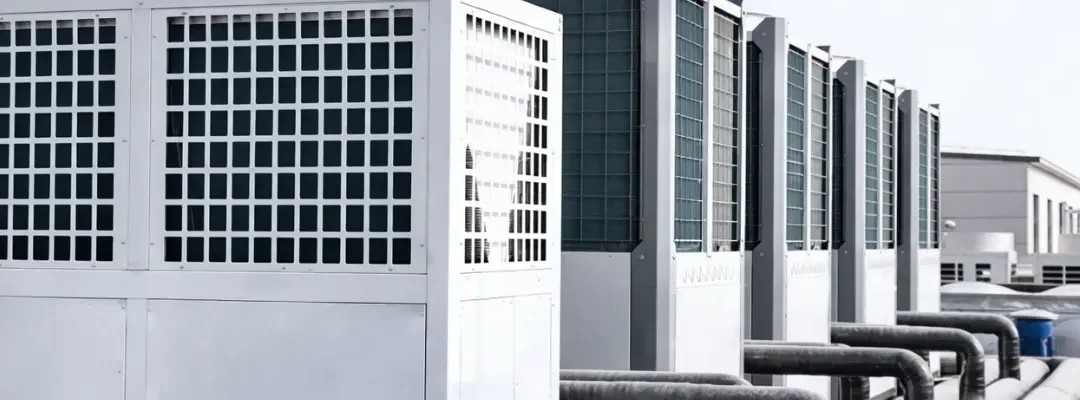
A heat pump is an energy-efficient system designed to provide both heating and cooling for residential, commercial, and industrial spaces. Unlike traditional heating systems that generate heat by burning fuel, a heat pump works by transferring heat from one place to another using advanced refrigeration technology.
Purpose of a Heat Pump
The primary purpose of a heat pump is to:
- Provide year-round indoor comfort
- Deliver both heating in winter and cooling in summer
- Reduce energy consumption compared to conventional HVAC systems
- Lower electricity bills
- Minimize carbon footprint
Heat pumps are widely used in homes, offices, hotels, hospitals, and industrial facilities because of their high energy efficiency and environmentally friendly operation.
Where Does Heat Transfer Take Place in a Heat Pump?
Heat transfer in a heat pump system takes place between two primary environments:
- Outdoor Environment – Air, water, or ground
- Indoor Space – Your home or building interior
The system absorbs heat from one location and releases it into another using a refrigerant cycle.
Main Components Where Heat Transfer Occurs
Heat transfer mainly occurs in two important components:
1. Evaporator Coil
- Located in the outdoor unit (during heating mode)
- Absorbs heat from outside air, ground, or water
- The refrigerant inside the coil evaporates and carries the heat
2. Condenser Coil
- Located inside the building (during heating mode)
- Releases the absorbed heat into indoor air
- The refrigerant condenses back into liquid form
The process reverses during cooling mode, making heat pumps extremely versatile.
Types of Heat Pumps
To improve SEO value and provide complete information, here are the main types of heat pumps:
1. Air Source Heat Pump
- Transfers heat between indoor air and outdoor air
- Most commonly used type
- Cost-effective and easy to install
2. Ground Source (Geothermal) Heat Pump
- Transfers heat between indoor space and underground
- Highly energy efficient
- Higher initial installation cost
3. Water Source Heat Pump
- Uses nearby water bodies for heat exchange
- Suitable for commercial and industrial applications
Why Heat Pumps Are Energy Efficient
Heat pumps are considered one of the most energy-efficient HVAC systems because they:
- Move heat instead of generating it
- Use electricity only to power the compressor
- Can deliver 3–4 units of heat energy for every unit of electricity consumed
This makes them ideal for energy-conscious homeowners and businesses.
FAQ
1. What is the main purpose of a heat pump?
A heat pump is designed to provide both heating and cooling by transferring heat between indoor and outdoor environments.
It offers an energy-efficient solution for maintaining year-round indoor comfort.
2. Where does heat transfer occur in a heat pump?
Heat transfer takes place in the evaporator and condenser coils of the system. The evaporator absorbs heat, while the condenser releases it into the desired space.
3. How does a heat pump provide heating in winter?
In winter, a heat pump extracts heat from outdoor air and transfers it indoors using refrigerant. The compressor increases the temperature, delivering warm air inside the building.
4. Can a heat pump cool a home like an air conditioner?
Yes, a heat pump works like an air conditioner in cooling mode. It removes heat from indoor air and releases it outside to keep rooms cool.
5. Are heat pumps energy efficient?
Heat pumps are highly energy efficient because they move heat instead of generating it. They can deliver multiple units of heat or cooling for every unit of electricity used.
Recent Comments