Sediment Filter for Borewell Water
Borewell water often contains sand, silt, clay, and suspended particles that can clog your RO membrane, reduce water flow, and increase maintenance costs.
- Manufactured in Ambattur, Chennai
- Sized to your site and water
- Installation and service support
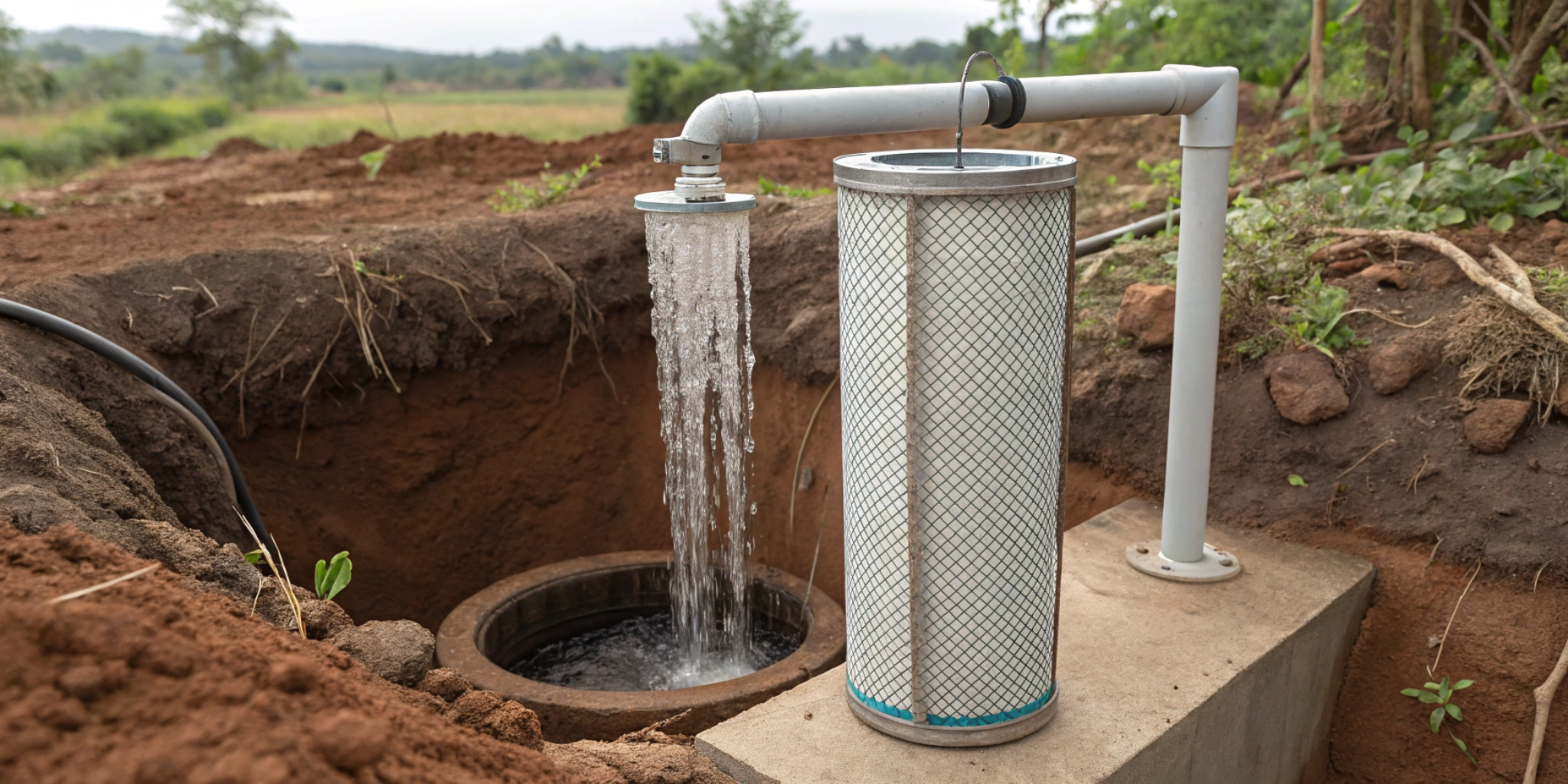
Why Do You Need a Sediment Filter?
Protects RO Membrane
Prevents clogging and damage, extending the RO system’s life.
Improves Water Clarity
Removes turbidity and suspended particles.
Reduces Maintenance Costs
Extends life of downstream filters.
Essential for Borewell Water
Especially if TDS > 300 ppm or water shows visible sediment.
Types of Sediment Filters for Borewell Water
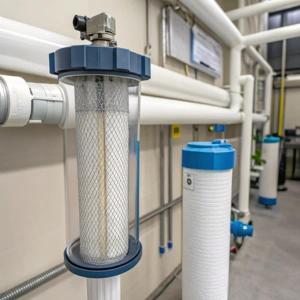
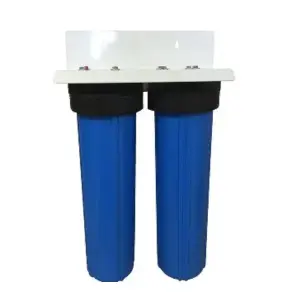
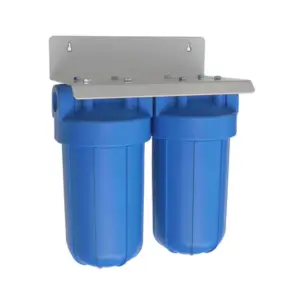
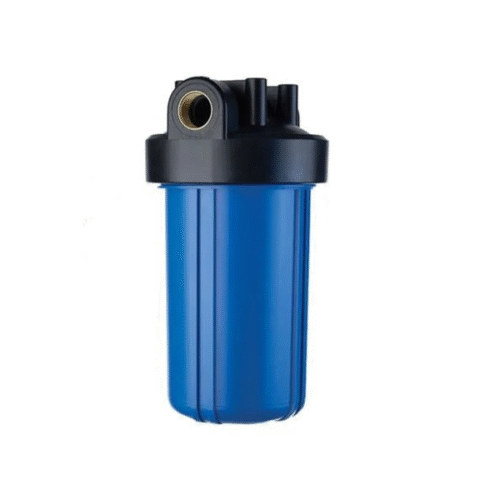
Cartridge Filters
Ideal for homes with moderate sediment load.
Micron Rating
5–10 microns.
Installed before RO or UV purification.
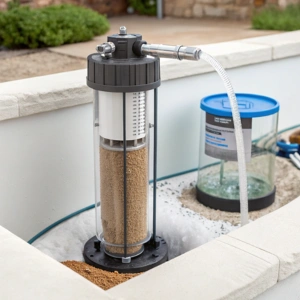
Sand Media Filters
Best for heavy sediment load in borewell water.
Common for villas, apartments, and industrial setups.
Removes coarse particles and turbidity effectively.
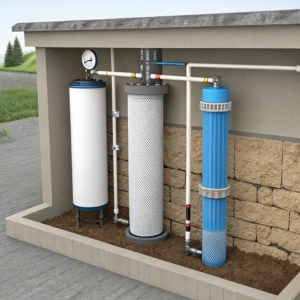
Spun PP Filters
Cost-effective for basic filtration needs.
Works well in areas with low sediment levels
How to Maintain Your Sediment Filter
Clean every 15–30 days (if washable).
Replace every 6 months for optimal performance.
Backwash every 15–30 days.
Replace media every 12–18 months.
Cartridge Filters
Sand Media Filters
Choose with confidence
Choosing the right filtration systems
- Identify the problem: turbidity, iron, smell, colour or chlorine.
- Match the filter size to flow rate (m³/hour) rather than tank size.
- Plan backwash water and a drain point near the filter.
- Use filtration ahead of RO or softeners to protect them.
- Agree a media replacement schedule at installation.
Shop
Filtration Systems you can order online
Prices and stock shown in the shop. For bulk orders or help choosing, ask us.

How we work
From first message to running system
- 01
Tell us the need
Share your requirement, site details and any water report or photos.
- 02
We review and size
We ask the right questions and size the system for your site.
- 03
Clear quotation
You get a quote with scope, specification and timelines.
- 04
Build, install, support
We manufacture, install, commission and stay available for service.
Related solutions
More in Filtration Systems
Questions, answered
FAQs about Sediment Filter for Borewell Water
Still unsure? Ask us directly or call +91 95000 55565.
Do I need a sediment filter for borewell water?
Yes. Borewell water often contains sand, silt, and turbidity, which can damage your RO system. A sediment filter protects the RO membrane and improves water clarity.
Can I drink borewell water after using only a sediment filter?
No. Sediment filters only remove physical particles. They do not reduce TDS, hardness, or kill microbes. For safe drinking water, combine sediment filtration with RO + UV.
What is the best sediment filter for borewell water?
For homes, a 5–10 micron cartridge filter works well. For high sediment loads, use a sand media filter before your RO system.
How often should I change my sediment filter?
Replace cartridge filters every 6 months. Sand media should be replaced every 12–18 months with regular backwashing.
Can a sediment filter improve water taste?
No. Sediment filters improve clarity by removing dirt and sand, but taste improvement requires RO or activated carbon filters.
Is sediment filtration necessary before RO?
Absolutely. Without pre-filtration, your RO membrane clogs faster, reducing efficiency and increasing maintenance costs.
Does a sediment filter reduce TDS or hardness?
No. Sediment filters only trap suspended particles. TDS and hardness require RO or water softeners.
Which filter do I need for borewell water?
Most borewell water needs a sand or multi-grade filter for suspended solids, and an iron removal filter if iron is present. A water test tells us which stages are needed.
What does an activated carbon filter remove?
Carbon filters reduce chlorine, odour, colour and many organic compounds. They are often used after a sand filter and before RO or softening.
How often should filter media be replaced?
Sand media lasts longer than carbon. Replacement depends on water quality and backwash practice; we share a schedule when the filter is installed.
Start a conversation
Tell us what you need
Share a few details about Sediment Filter for Borewell Water and your site. We reply on working days with questions or a quote.
Talk to a person
Speak with the Greenly team
No call centre. Your message reaches the people who design and build the system.
- +91 95000 55565
- WhatsApp +91 95000 55565
- greenly@greenly.co.in
- 101, 102 & 103 Tass Industrial Estate, SIDCO Industrial Estate, Ambattur, Chennai 600058
Visits by appointment - Open 10:00 am – 5:30 pm