Water Softener for Dishwasher
Hard water is a common issue in many households, to mineral deposits, dull dishware, and reduced dishwasher performance.
- Manufactured in Ambattur, Chennai
- Sized to your site and water
- Installation and service support
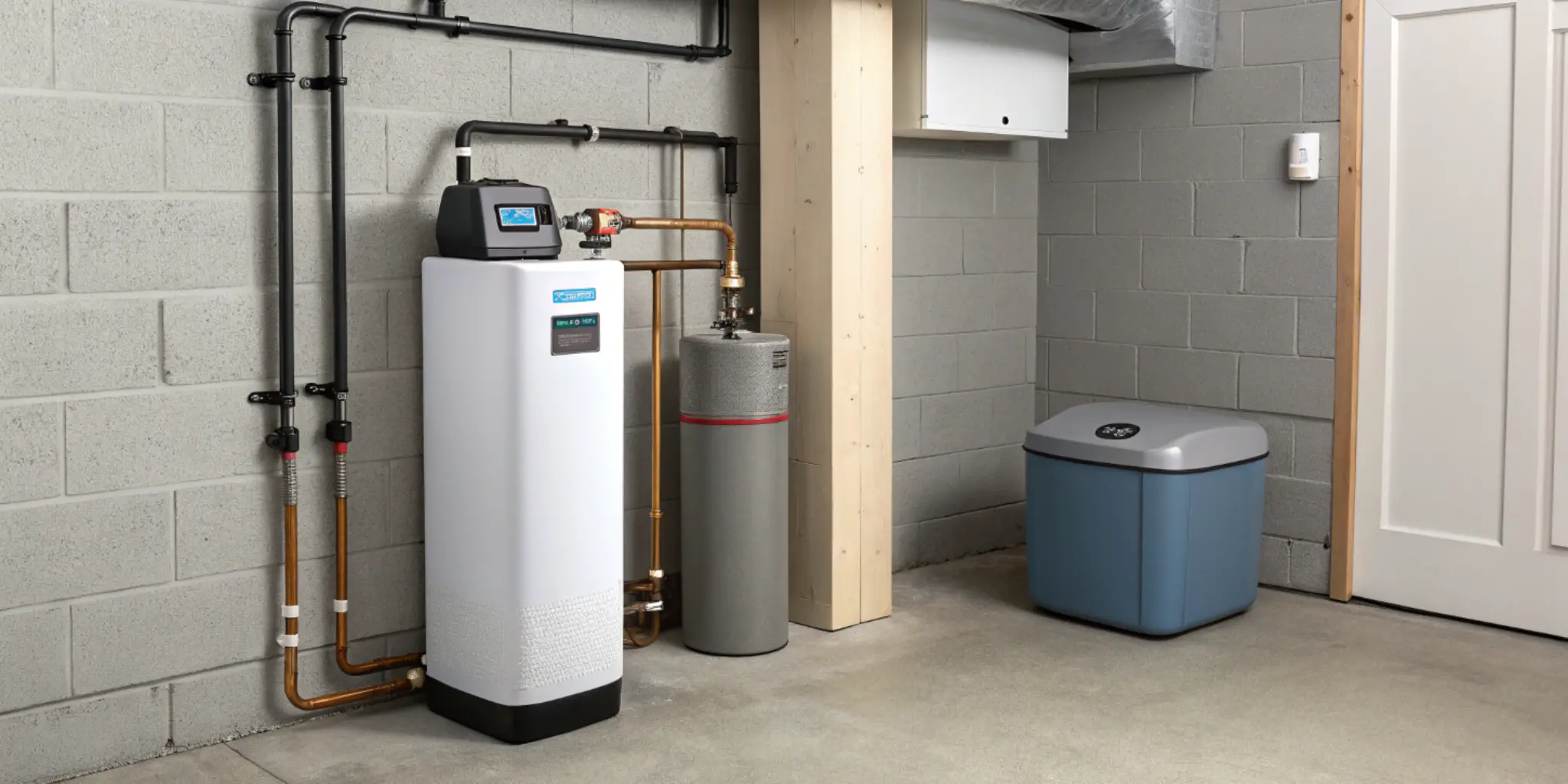
What Is a Dishwasher Water Softener?
A dishwasher water softener is a specialized device that treats hard water before it enters your dishwasher. It works by removing calcium and magnesium ions — the main culprits behind limescale — through a process known as ion exchange. The result is softened water that cleans better and keeps your dishwasher free from scale buildup.
Key Features of Our Dishwasher Water Softener
Advanced Ion-Exchange Technology
Removes hardness minerals for optimal cleaning.
Universal Compatibility
Fits most residential dishwasher models.
Automatic Regeneration System
Keeps the resin clean and effective with minimal user intervention.
High Capacity Resin Bed
Ensures long-lasting performance, even in areas with very hard water.
Environmentally Friendly
Reduces detergent and rinse aid usage, saving money and protecting the environment.
Benefits of Using a Dishwasher Water Softener
Sparkling Clean Dishes
No more white spots or cloudy glasses.
Prolonged Appliance Life
Prevents scale buildup that can damage internal parts.
Improved Detergent Efficiency
Soft water enhances soap lather, reducing the amount needed.
Lower Energy Bills
Appliances run more efficiently with scale-free heating elements.
Maintenance-Free Operation
Once installed, it works automatically with minimal upkeep.
How to Install the Dishwasher Water Softener
Turn off the water supply to your dishwasher.
Connect the inlet and outlet hoses as per the manual.
Secure the unit under your sink or beside the dishwasher.
Start the regeneration cycle to activate the resin.
Enjoy clean, scale-free water flowing into your dishwasher.
Why Hard Water Is a Problem
Hard water contains high levels of calcium and magnesium. Over time, these minerals:
Installing a dedicated softener eliminates these issues for good.
Form stubborn limescale in dishwashers
Leave streaks and residue on dishes
Reduce the effectiveness of detergents
Lead to frequent dishwasher repairs

Choose with confidence
Choosing the right water softeners
- Measure hardness (ppm or mg/L as CaCO₃) at the point you want to soften.
- Estimate daily water use for the area or equipment being protected.
- Choose manual or automatic regeneration based on who will operate it.
- Plan space for the salt tank and a drain point for regeneration water.
- If iron or turbidity is present, add filtration before the softener.
Shop
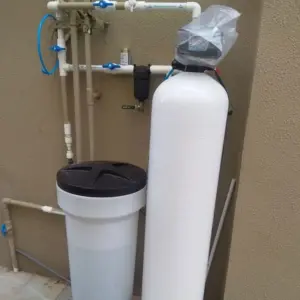
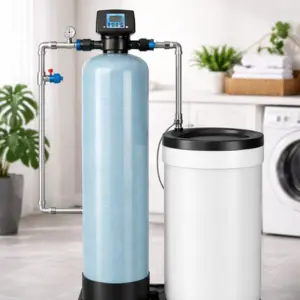
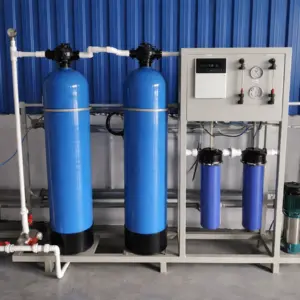
Water Softeners you can order online
Prices and stock shown in the shop. For bulk orders or help choosing, ask us.

How we work
From first message to running system
- 01
Tell us the need
Share your requirement, site details and any water report or photos.
- 02
We review and size
We ask the right questions and size the system for your site.
- 03
Clear quotation
You get a quote with scope, specification and timelines.
- 04
Build, install, support
We manufacture, install, commission and stay available for service.
Related solutions
More in Water Softeners
Questions, answered
FAQs about Water Softener for Dishwasher
Still unsure? Ask us directly or call +91 95000 55565.
Do I need a water softener if I already use rinse aid?
Rinse aids mask hard water effects, but don’t solve the root problem. A softener eliminates hardness at the source.
How long does the softener resin last?
Typically, 5 to 10 years depending on water quality and usage.
Can it be used with tankless water heaters?
Yes, the softener works with all standard plumbing and heating systems.
How often does it regenerate?
The softener regenerates automatically based on usage and water hardness levels.
How do I know if I need a water softener?
White scale on taps and tiles, spotty glassware, low soap lather and scaled geysers are common signs. A hardness test confirms it and tells us what size softener you need.
Is softened water safe to drink?
Softened water carries a little added sodium. For drinking and cooking we usually recommend an RO purifier or a separate drinking-water tap rather than relying on the softener.
How often does the resin need regeneration?
It depends on hardness and water use. Automatic softeners regenerate on a timer or by volume; manual units need regeneration as advised at installation.
What maintenance does a softener need?
Keeping the salt tank filled with softener salt, an occasional check of the valve settings and periodic resin inspection. We provide service support after installation.
Can one softener cover a whole house or building?
Yes. A whole-house or building softener is installed on the main inlet line. It is sized on total daily use and peak flow.
Can a softener remove iron or TDS?
A softener mainly removes hardness. High iron needs an iron removal filter first, and high TDS needs reverse osmosis.
Start a conversation
Tell us what you need
Share a few details about Water Softener for Dishwasher and your site. We reply on working days with questions or a quote.
Talk to a person
Speak with the Greenly team
No call centre. Your message reaches the people who design and build the system.
- +91 95000 55565
- WhatsApp +91 95000 55565
- greenly@greenly.co.in
- 101, 102 & 103 Tass Industrial Estate, SIDCO Industrial Estate, Ambattur, Chennai 600058
Visits by appointment - Open 10:00 am – 5:30 pm