Water Treatment Plants
Greenly is a manufacturer and supplier of customized Water Treatment Plants (WTP) for industrial, commercial, and residential applications across India.
- Manufactured in Ambattur, Chennai
- Sized to your site and water
- Installation and service support

What Is a Water Treatment Plant?
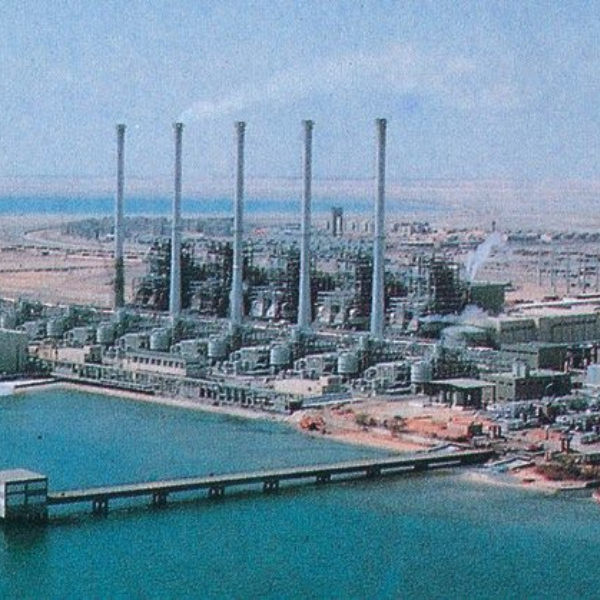
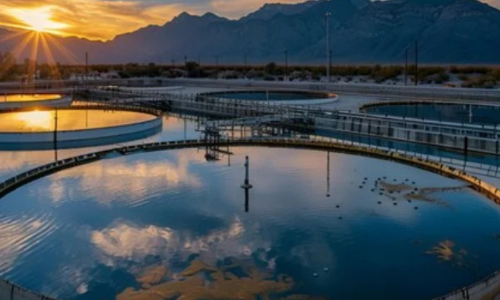
A Water Treatment Plant (WTP) is an industrial facility designed to remove contaminants from raw water sourced from rivers, lakes, groundwater, or wastewater, ensuring it is safe for drinking, industrial use, agriculture, or environmental discharge. It utilizes a combination of physical, chemical, and biological methods to purify water effectively.
Why Choose a Water Treatment Plant in Chennai?
Water treatment plants are essential for public health, environmental protection, and economic activities by:
Promoting water sustainability and enabling reuse
Supporting industrial processes and agricultural irrigation
Removing harmful contaminants including bacteria, heavy metals, and chemicals
Preventing waterborne diseases such as cholera and dysentery
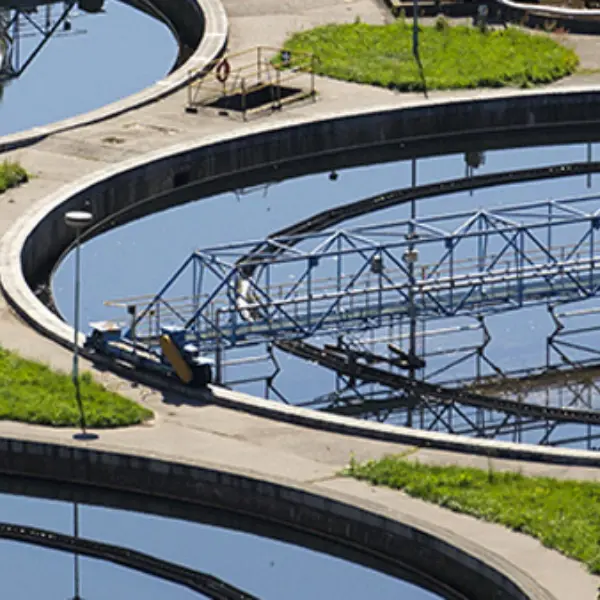
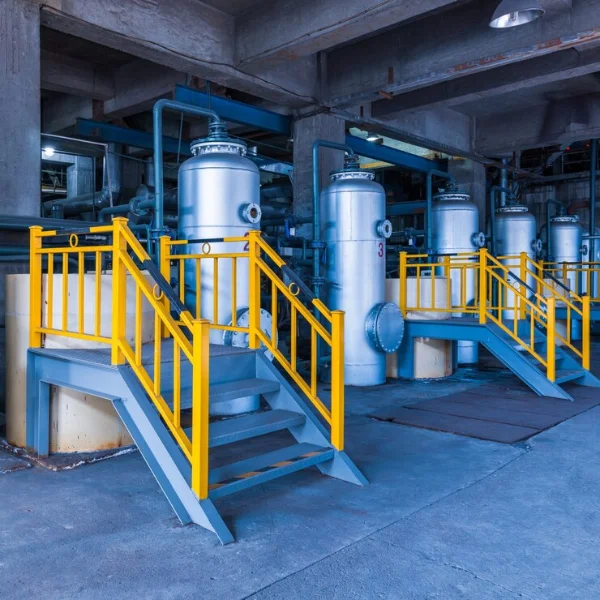
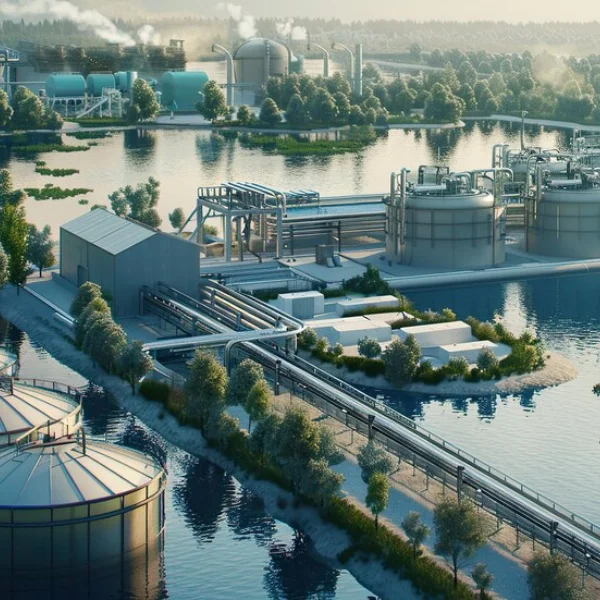
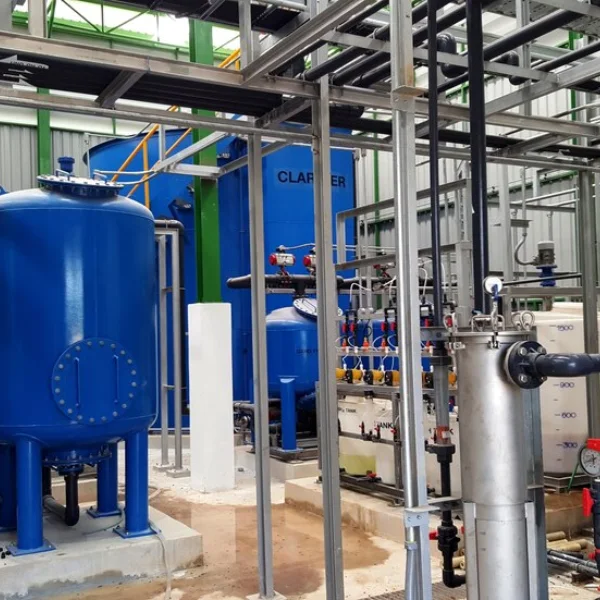
Types of Water Treatment Plants
How Does a Water Treatment Plant Work?
Typical processes in a standard surface water treatment plant include:
1
Screening
Large debris (such as leaves, branches, trash) is physically removed
Coagulation & Flocculation
Chemicals like alum or ferric chloride clump fine particles together, forming larger particles called floc
Sedimentation
Gravity causes floc and other heavy particles to settle at the bottom of settling tanks
Filtration
Water passes through layers of sand, activated carbon, or specialized membranes to trap finer impurities
Disinfection
Chlorination, UV light, or ozonation kill pathogenic microorganisms
Storage & Distribution
Treated water is stored in reservoirs or tanks and distributed through pipes to consumers
2
3
4
5
6
Key Components of Water Treatment Plants
Filters
Sand, activated carbon, and membrane filters for removing fine particles
Clarifiers
Settling tanks that help remove sediment
Chemical Dosing Systems
Precise injection of chemicals for coagulation, disinfection, and pH adjustment
Pumps and Valves
Essential for moving water, controlling flows, and managing treatment processes
Storage Tanks
Reservoirs to store treated water safely
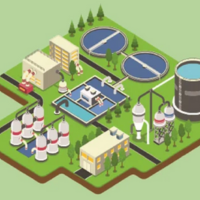
Water Treatment Processes
Biological Processes
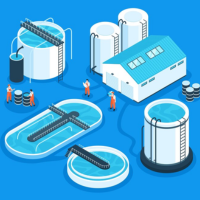
- Activated Sludge: Bacteria decompose organic pollutants
- Trickling Filters: Biofilms on media break down contaminants as water trickles through
Physical Processes
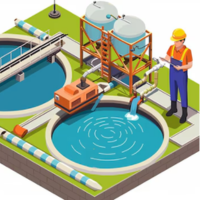
- Screening: Removal of large solids
- Sedimentation: Natural settling of suspended particles
- Filtration: Trapping smaller impurities using various media
Chemical Processes
- Using chemicals to clump small particles into larger ones for easier removal
- Elimination of pathogens using chlorine, ultraviolet light, or ozone
- Balancing water acidity or alkalinity to prevent corrosion or scaling
Choose with confidence
Choosing the right water treatment plants
- Start with a full water analysis of the raw source.
- Decide what quality you need at each use point (drinking, domestic, process).
- Size storage before and after treatment along with the plant.
- Plan for operation: manual, semi-automatic or PLC controlled.
- Agree a service plan for media, membranes and dosing chemicals.
The full range
All water treatment plants
Pick the page closest to your application. Not sure? Ask us and we will point you to the right system.
Real-Time Water Intelligence with IoT & AI
Greenly pioneer real-time water intelligence systems that leverage IoT sensors, AI analytics, and cloud computing to optimize water usage…
How we work
From first message to running system
- 01
Tell us the need
Share your requirement, site details and any water report or photos.
- 02
We review and size
We ask the right questions and size the system for your site.
- 03
Clear quotation
You get a quote with scope, specification and timelines.
- 04
Build, install, support
We manufacture, install, commission and stay available for service.
Related solutions
More in Water Treatment Plants
Questions, answered
FAQs about Water Treatment Plants
Still unsure? Ask us directly or call +91 95000 55565.
What are the 3 types of water treatment plant?
Types of Water Treatment Plants :
- Wastewater Treatment Plant (WWTP)
- Sewage Treatment Plants (STPs)
- Effluent Treatment Plants (ETP’s)
- Demineralization (DM) Treatment Plants.
- Reverse Osmosis (RO) Water Treatment.
What does a water treatment plant operator do?
Water treatment plant and system operators run the equipment, control the processes, and monitor the plants that treat water to make it safe to drink. Wastewater treatment plant and system operators remove pollutants from domestic and industrial waste.
What type of industry is water treatment?
The water industry includes water engineering, operations, water and wastewater plant construction, equipment supply and specialist water treatment chemicals, among others. The water industry is at the service of other industries, e.g. of the food sector which produces beverages such as bottled water.
What is the water treatment process?
They typically consist of several steps in the treatment process. These include: (1) Collection ; (2) Screening and Straining ; (3) Chemical Addition ; (4) Coagulation and Flocculation ; (5) Sedimentation and Clarification ; (6) Filtration ; (7) Disinfection ; (8) Storage ; (9) and finally Distribution.
What are the benefits of water treatment?
- Provides Clean and Reusable Water. This is obvious that throwing away even wastewater is harmful to nature.
- Protect Environment. Wastewater contains a lot of waste materials including chemical components.
- Keeps Disease Away.
- Strengthens Economy.
- Produces Energy
What is the difference between RO and UF?
UF removes particulates and bacteria (>0.01 µm), while RO also rejects dissolved salts and heavy metals (>95 %).
How often should I back wash dual media filters?
Every 12 24 h, or when ΔP > 0.5 bar; VFD controlled pumps optimise water use.
Can I retrofit automation to an old manual plant?
Yes. Our PLC / SCADA kits integrate with legacy pumps and valves, adding remote monitoring & alarms.
What is the typical payback period for an industrial recycling plant?
18 30 months via tanker water savings and avoided discharge fees.
Do you provide operator training and AMC?
Hands on training, SOP templates and tiered AMC plans are included.
Start a conversation
Tell us what you need
Share a few details about Water Treatment Plants and your site. We reply on working days with questions or a quote.
Talk to a person
Speak with the Greenly team
No call centre. Your message reaches the people who design and build the system.
- +91 95000 55565
- WhatsApp +91 95000 55565
- greenly@greenly.co.in
- 101, 102 & 103 Tass Industrial Estate, SIDCO Industrial Estate, Ambattur, Chennai 600058
Visits by appointment - Open 10:00 am – 5:30 pm