

Ro water plant for sugarmills
The use of sugar water for plants is a topic that floods gardening forums with mixed opinions. Some claim it boosts growth or revives dying plants. But does science back these ideas? We’ll explore the benefits and risks of sugar water for plants like snake plants, peace lilies, and tomatoes. We also debunk myths like using brown sugar water or mixing sugar with vinegar for plant care.

Why Sugar Water for Plants is a Controversial Practice
Sugar water has become a controversial topic in plant care, and for good reason. While plants naturally produce their own sugars through photosynthesis, they don’t absorb sugars through their roots. When you pour sugar water on your plants, it disrupts these natural processes:
Root Damage: Sugar attracts soil microbes that consume oxygen, suffocating roots.
Osmotic Shock: The high sugar concentration draws water out of the roots (reverse osmosis), causing them to dehydrate.
Pest Magnet: Sugar residues attract ants, fungus gnats, and molds, all of which can harm your plant.
5 Science-Backed Effects of Sugar Water on Plants
1
Temporary “Boost”: Wilting plants may perk up briefly due to sugar drawing water into cells. However, long-term health usually declines, as the plant struggles to manage the excess sugar.
2
Microbe Overload: Sugar feeds harmful bacteria and fungi, often leading to root rot.
2
3
Nutrient Lockout: Excess sugar binds to soil nutrients, making them unavailable to the plant.
4
pH Imbalance: Sugar fermentation acidifies the soil, harming acid-sensitive plants like cactus.
4
5
Leaf Burn: Sugar residue on leaves intensifies sun damage, causing spots or scorch.
Plant-by-Plant Guide: Is Sugar Water Safe?
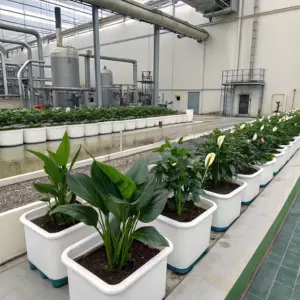
Peace Lily Plants & Sugar Water: A Risky Mix?
Peace lilies prefer distilled or rainwater, and sugar water can lead to:
Yellowing leaves due to nutrient imbalance.
Root rot in moisture-retentive soil.
Fix: Use diluted liquid seaweed fertilizer once a month to help restore nutrient balance.
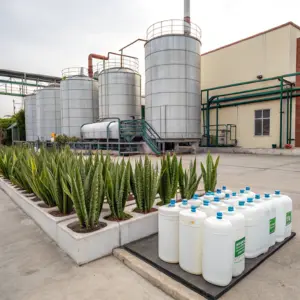
Snake Plants & Sugar Water: What You Must Know
Snake plants thrive on neglect. Using sugar water on them may:
Trigger mushy leaves (sugar disrupts water storage).
Attract mealybugs, harming the plant’s health.
Fix: Water only when the soil is bone dry, and avoid using sugar-based solutions.

Aloe Vera Plants: Why Sugar Water Causes Root Rot
Aloe vera stores water in its leaves. When exposed to sugar water:
It can foul well-draining soil.
Black, smelly roots are a common result.
Fix: Use terracotta pots and cactus mix to ensure fast drainage and healthy roots.

Sugar Water for Cactus Plants: A Desert Disaster
Cacti thrive in low-nutrient environments. Sugar water can cause:
Bloating or splitting due to excess water and nutrients.
Fatal fungal infections, damaging the plant.
Fix: Water with Epsom salts (1 tsp/gal) quarterly for magnesium to support cactus health.
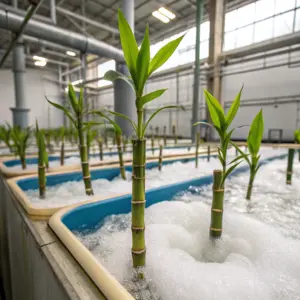
Bamboo Plants in Sugar Water: The Slimy Truth
Lucky bamboo can thrive in water, but sugar water leads to:
Slimy water and blocked stem pores, hampering growth.
Fix: Use pure water mixed with liquid hydroponic nutrients to avoid harmful residues.

Tomato Plants & Brown Sugar Water: Myths vs. Facts
Brown sugar water is often touted as a method to boost sweetness in tomatoes. However:
Sugar doesn’t penetrate the fruit but harms the roots.
It attracts aphids and blight, weakening the plant.
Fix: Add compost to soil to naturally boost the sweetness of tomatoes.
5 Safe Alternatives to Sugar Water for Healthier Plants
Compost Tea: Brews beneficial microbes that enhance plant health naturally, improving soil structure and boosting plant growth.
Molasses Foliar Spray (1 tsp/gal): Contains minimal sugar, but provides iron and magnesium, which help plants grow strong and healthy.
Mycorrhizal Fungi: A natural solution that enhances the root system and boosts sugar absorption, providing a balanced nutrient environment.
Seaweed Extract: Rich in cytokinins to promote healthy cell division and growth, especially effective for houseplants.
Banana Peel Water: High in potassium, which supports root development and strengthens plants’ resistance to diseases.
Advantages of Using Safe Alternatives to Sugar Water for Plants
Promotes Healthy Root Development
Improves Soil Quality
Reduces Risk of Pests and Diseases
Sustainable and Environmentally Friendly
Enhances Plant Resilience
Supports Sustainable Gardening Practices
Boosts Plant Growth Without Harmful Side Effects
Our Range of Products
Showing all 5 resultsSorted by price: high to low



Frequently Asked Questions
Can sugar water help plants grow?
No, sugar water suppresses growth by damaging roots and disrupting the soil ecosystem. Instead, consider using nutrient-rich organic fertilizers like compost tea or seaweed extract for healthier growth.
Is sugar water good for house plants?
Avoid it. Most houseplants, like peace lilies and snake plants, are sensitive to sugar’s impact on the soil. Stick to rainwater or filtered water for optimal plant health.
What about sugar water for seedlings?
Sugar water poses a high risk of promoting “damping-off” fungus, which harms seedlings. Use diluted fish emulsion for a safer, nutrient-rich alternative.
Can sugar water make plants bloom faster?
No, sugar water does not accelerate blooming. Plants need balanced nutrients for optimal bloom, and sugar water may disrupt their nutrient intake.
Can I use sugar water on succulents like aloe vera or cacti?
No, sugar water is harmful to succulents. It disrupts their water storage mechanisms and causes root rot. Use well-draining soil and minimal water for healthy succulents.
What’s the best alternative to sugar water for plant growth?
Natural alternatives like compost tea, banana peel water, and molasses foliar sprays are excellent for promoting plant growth without the risks of sugar water.