

Common Effluent Treatment Plant
Running an SME shouldn’t mean compromising on environmental compliance. A CETP lets multiple units share a single, expertly managed wastewater facility—cutting cap ex, land use and headaches.
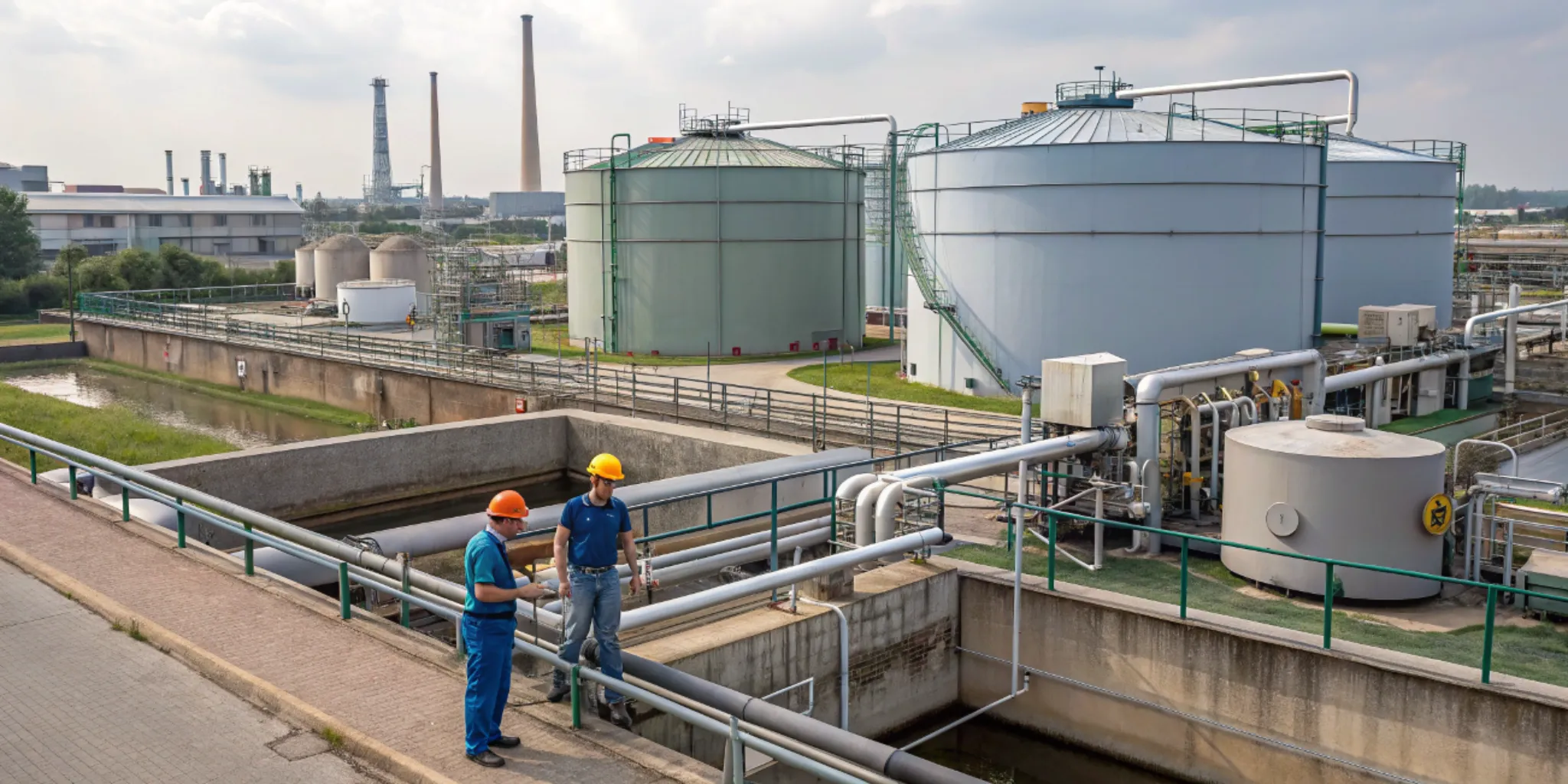
Why a CETP Beats Individual ETPs
Zero upfront plant cost—pay only a usage fee
Land saved for core production, not wastewater tanks
24×7 qualified operators keep you within CPCB norms
Lower per m³ tariff thanks to economies of scale
How a Common Effluent Treatment Plant Works
Tankers or HDPE pipelines deliver raw effluent to a central equalisation tank.
Automatic pH neutralisation and surface aeration start organic breakdown.
A clariflocculator separates suspended solids.
An aeration tank + activated sludge polishes BOD/COD.
Polished water meets CPCB discharge standards before final release or reuse.
TrueWaters’ End to End CETP Expertise
From pilot scale design to O&M contracts, we have commissioned 40+ CETPs across India, including red category clusters in Ankleshwar and Tiruppur. Our modular skids scale from 50 m³/day to 3,000 m³/day.
Cost Snapshot
| Plant Size | Cap Ex Saved per Unit | O&M ₹/m³* |
|---|---|---|
| ≤ 250 m³/day | ₹1.2 Cr | 18.5 |
| 250–750 m³/day | ₹2.7 Cr | 14.0 |
| > 750 m³/day | ₹4.9 Cr | 11.2 |
Frequently Asked Questions
Do SMEs still need individual consent?
No. Consent is clubbed under the CETP operator, easing compliance.
Is CETP suitable for high TDS waste?
TrueWaters integrates RO and MEE units to handle textile/chemical streams with TDS ≥ 6,000 mg/L before discharge.