
by Greenly Water Saver | Nov 8, 2025 | GoGreen
Industrial and municipal sectors generate massive amounts of wastewater, often laden with salts, chemicals, and heavy metals. Discharging this untreated water not only harms ecosystems but squanders a valuable resource. With modern technologies like Reverse Osmosis...
by Greenly Water Saver | Nov 8, 2025 | GoGreen
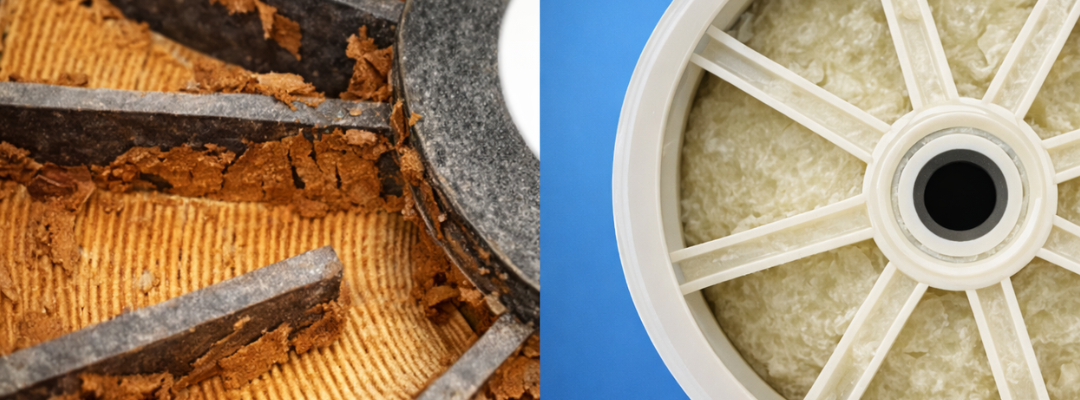
In every Reverse Osmosis (RO) water treatment system, the membrane is the heart of the operation — responsible for removing dissolved salts, metals, and impurities. However, RO membranes gradually lose efficiency due to fouling, a common issue involving the...
by Greenly Water Saver | Nov 7, 2025 | GoGreen
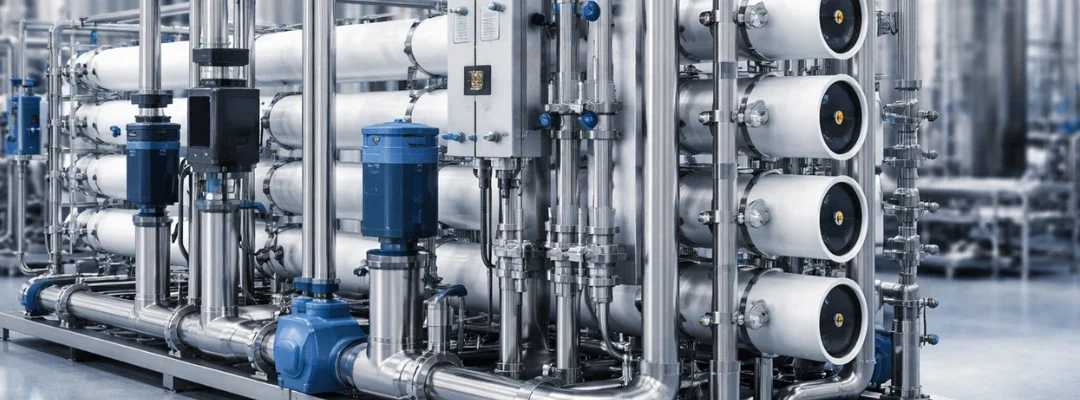
An RO (Reverse Osmosis) water treatment plant is one of the most effective technologies for producing high-purity water — but only when maintained properly. Over time, efficiency can decline due to scaling, membrane fouling, chemical imbalance, or inconsistent...
by Greenly Water Saver | Nov 7, 2025 | GoGreen
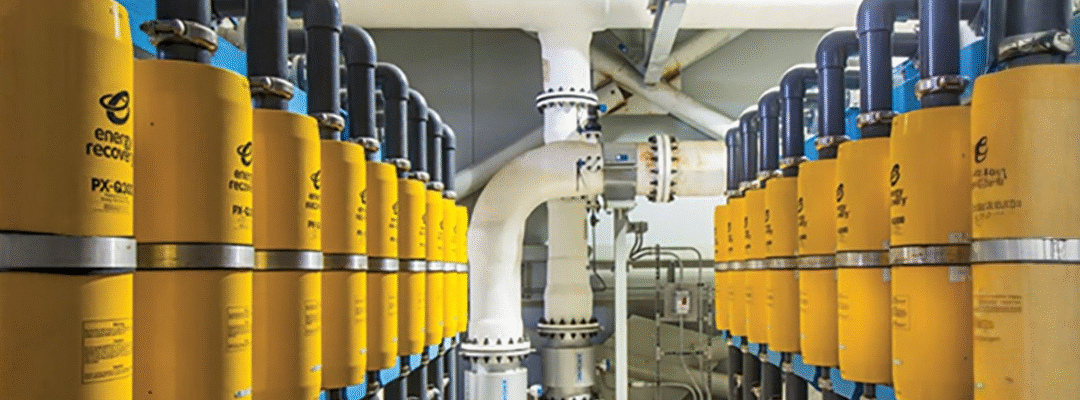
In large-scale Reverse Osmosis (RO) water treatment plants, energy consumption accounts for 35–45% of total operating costs. This is mainly due to the high-pressure pumps required to push saline or brackish water through membranes. To reduce both energy usage and...

by Greenly Water Saver | Nov 6, 2025 | GoGreen
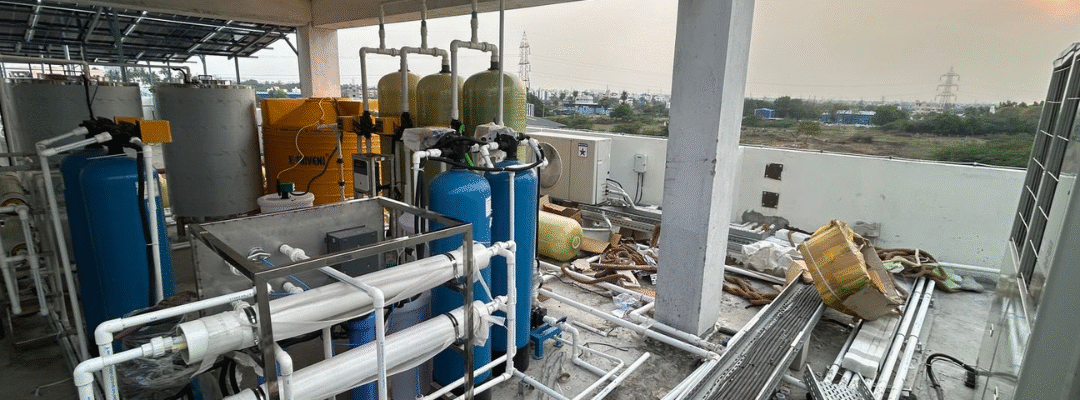
Installing an industrial Reverse Osmosis (RO) plant is a mission-critical step for industries aiming to ensure reliable access to high-purity process water. But even a small installation mistake — like poor pump anchoring or misaligned membrane housing — can lead to...
by Greenly Water Saver | Nov 6, 2025 | GoGreen
Chennai’s water supply — whether sourced from borewells, municipal pipelines, or tanker trucks — often contains elevated levels of dissolved salts, calcium, magnesium, and iron. This condition, known as hard water, causes serious issues: scale buildup in pipelines,...

Recent Comments