
Activated Carbon Filters
Activated carbon filters are a powerful, reliable solution for removing impurities from air and water. Frequently used in residential water systems, HVAC units, aquariums, and even industrial treatment facilities, these filters use carbon’s natural adsorptive properties to trap a variety of contaminants.
What Is Activated Carbon?
Activated carbon (aka activated charcoal) is specially processed carbon designed to have a massive surface area and highly porous structure. This enables it to capture molecules such as chlorine, volatile organic compounds (VOCs), odors, and chemical residues.
How Do Activated Carbon Filters Work?
Activated carbon filters use adsorption (not absorption). Contaminants stick to the carbon surface as they pass through.
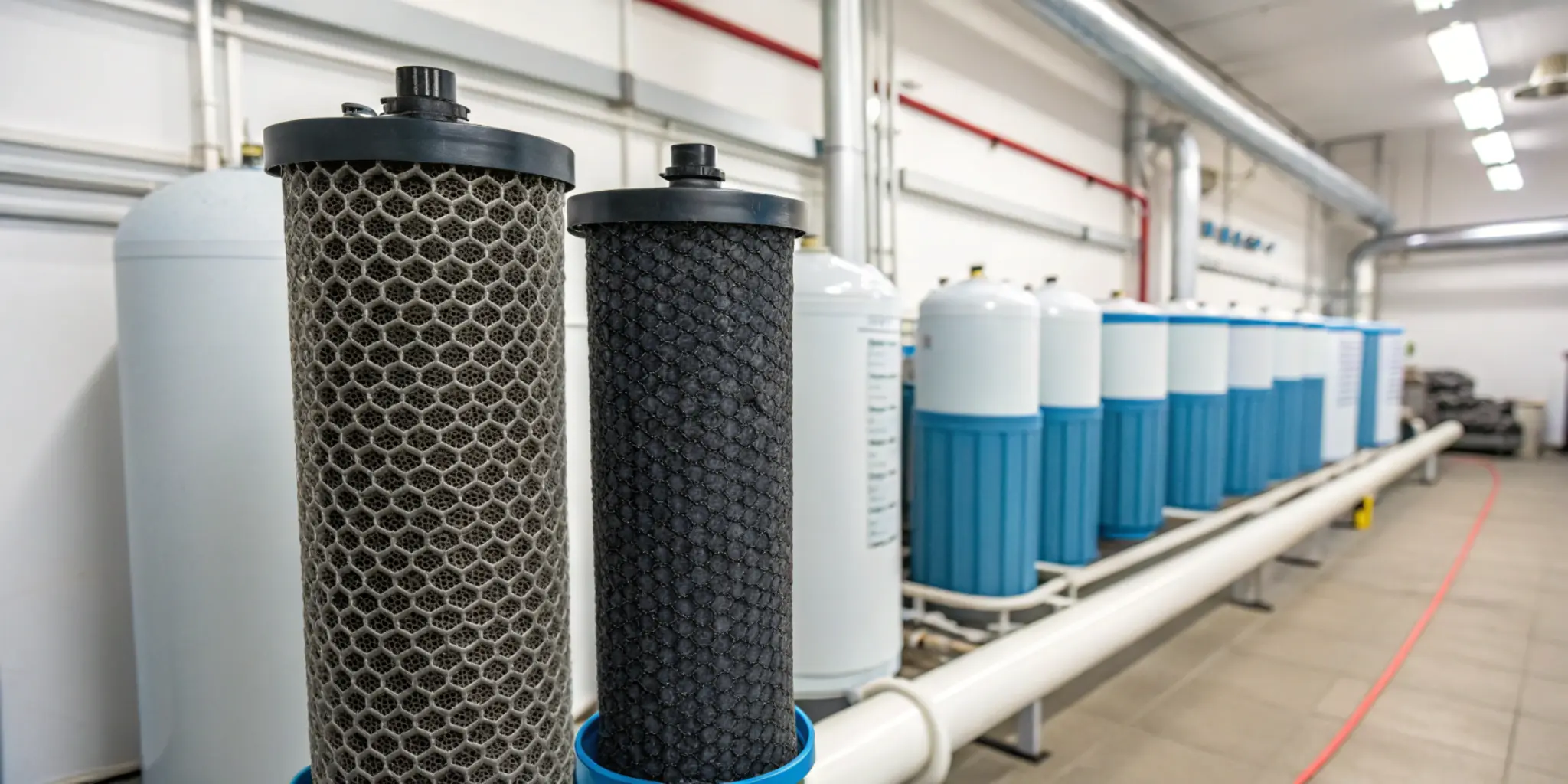
Two Mechanisms of Adsorption
Physical Adsorption
Utilizes Van der Waals forces to hold particles.
Chemical Adsorption
A chemical bond forms between contaminants and carbon.
Types of Activated Carbon Water Filters
Granular Activated Carbon (GAC): Loose carbon granules; commonly used in pitcher filters and under-sink systems.
Carbon Block: Compressed powdered carbon offering a larger contact area and better contaminant removal.
Impregnated Carbon: Infused with chemicals (like silver or iodine) to target specific substances.
Catalytic Carbon: Enhanced to remove difficult contaminants such as chloramines.
Common Uses of Activated Carbon Filters
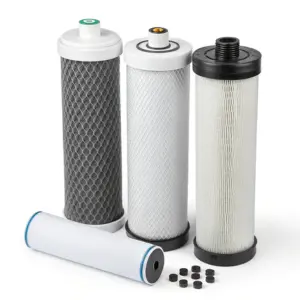
Home Water Purification
Removes chlorine, improves taste and odor, and reduces VOCs.
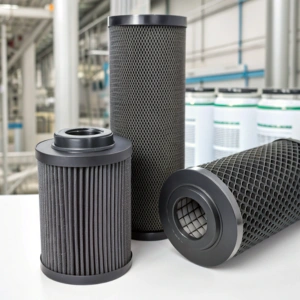
Air Filtration Systems
Removes smoke, cooking smells, VOCs, and airborne pollutants.
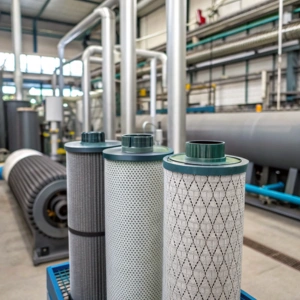
Industrial Applications
Used in solvent recovery, flue gas treatment, and wastewater purification.
Benefits
Easy DIY installation
Affordable and widely available
Eco-friendly compared to chemical treatments
Adaptable to diverse environments and systems
How to Choose the Right Filter
1
Know Your Water/Air Quality: Use a test kit to identify contaminants.
2
Look for Certification: NSF/ANSI-certified filters ensure verified performance.
2
3
Match Application Needs: Choose between GAC, carbon block, or catalytic carbon based on usage.
4
Check Replacement Frequency: Filters vary from 2-6 months lifespan depending on usage.
4
Maintenance & Best Practices
Replace filters at the first sign of odor or taste changes.
Always follow the manufacturer’s guidelines.
Store spare filters in a dry, airtight container.
Consider setting reminders for scheduled maintenance.
Our Range of Products
Frequently Asked Questions
What contaminants do activated carbon filters remove?
Activated carbon filters effectively remove chlorine, VOCs (volatile organic compounds), pesticides, herbicides, and unpleasant tastes and odors. They do not remove dissolved minerals or heavy metals.
Are activated carbon filters safe for drinking water?
Yes, activated carbon filters are widely used in residential water filtration systems and are safe for drinking water. Look for NSF/ANSI certifications to ensure safety and effectiveness.
How long does an activated carbon filter last?
Most activated carbon filters last between 2 to 6 months depending on usage, water quality, and filter type. Always follow the manufacturer’s replacement schedule.
Can activated carbon filters remove bacteria or viruses?
No, standard activated carbon filters do not remove pathogens like bacteria or viruses. For microbial removal, pair with UV or reverse osmosis systems.
What’s the difference between carbon block and granular activated carbon (GAC)?
Carbon block filters are more dense and effective at filtering small particles and chemicals but have slower flow rates. GAC filters allow higher flow but may be less effective at removing fine contaminants.
How do I know when to replace my carbon filter?
Signs include a change in taste or odor, reduced water flow, or reaching the recommended usage period stated by the manufacturer. Some filters also have indicator lights or built-in sensors.
Are there eco-friendly activated carbon filters?
Yes! Some filters are made from coconut shells or bamboo-based carbon, making them more sustainable and biodegradable than coal-based carbon filters.