

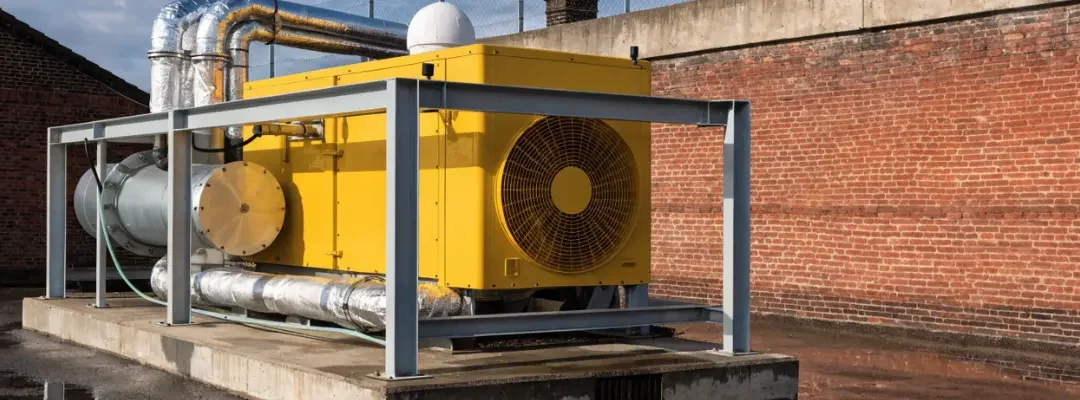
A heat pump is a modern, energy-efficient system that delivers both heating and cooling using one single unit. Unlike traditional furnaces or air conditioners that produce heat or cold independently, a heat pump moves heat between indoors and outdoors through a refrigerant cycle. This unique ability makes it a smart, sustainable solution for year-round comfort in homes and commercial buildings.
What Is a Heat Pump?
A heat pump is a refrigeration-based system that transfers heat instead of generating it through fuel combustion. It works on the same principles as refrigerators and A/C units but with the added capability of reversing the heat flow to provide warmth in winter and cool air in summer.
This makes heat pumps versatile and cost-effective, especially in regions with moderate climates. They operate quietly, efficiently, and with significantly lower carbon emissions than traditional systems.
How Heat Pumps Work (Heating & Cooling Explained)
The heat pump cycle involves four main stages:
- Evaporation: The refrigerant absorbs heat from the outside air, ground, or water source.
- Compression: The refrigerant gas is compressed to increase its temperature.
- Condensation: Heat is released into the indoor space as the refrigerant condenses.
- Expansion: The refrigerant cools down and returns to the cycle.
Because this system moves heat rather than creates it, heat pumps can deliver 3–4 times more heating or cooling energy than the electrical energy they consume.
Heating Mode — How It Keeps Your Space Warm
In winter, a heat pump absorbs free heat from the outside air, ground, or water—even in cold temperatures—and transfers it indoors. The compressor plays a key role by increasing the temperature of the refrigerant so that warm air can be distributed efficiently throughout the space.
Because heat pumps transfer existing heat instead of generating it, they have a higher Coefficient of Performance (COP) compared to traditional heaters — meaning more heating output per unit of electricity used.
Cooling Mode — Functioning Like an Air Conditioner
During hot weather, the system simply reverses the cycle:
- Heat is extracted from indoor air.
- The heated refrigerant carries that heat outdoors.
- Cool air is circulated back into the room.
This cooling process is essentially the same as how an air conditioner works, but with the added bonus of dual-season comfort within one system.
Benefits of Heat Pump Technology
One System for Two Functions
A single heat pump unit provides both heating and cooling, reducing the need for multiple HVAC systems.
Lower Energy Bills
Heat pumps use power mainly to move heat, not to generate it. As a result, operating costs are often lower than traditional HVAC systems.
Environmentally Friendly
By using ambient heat and electricity instead of burning fossil fuels, heat pumps reduce greenhouse gas emissions.
Long-Term Value
With proper maintenance, heat pumps can last 15–20 years or more, often paying back the installation cost through energy savings.
Why Heat Pumps Are the Future of HVAC
With rising energy costs and increasing emphasis on sustainability, heat pumps are emerging as a preferred solution for modern buildings. They combine high efficiency, year-round comfort, and environmental benefits, making them a practical and future-ready choice for heating and cooling.
FAQ
1. How does a heat pump provide both heating and cooling?
A heat pump provides both heating and cooling by using a reversible refrigeration cycle that transfers heat indoors during winter and removes indoor heat during summer.
2. Does a heat pump work in cold weather?
Yes, a heat pump works in cold weather by extracting available heat energy from outdoor air even at low temperatures.
3. Is a heat pump more energy efficient than traditional systems?
Heat pumps are more energy efficient because they transfer heat instead of generating it, delivering more energy output per unit of electricity used.
4. What are the main components of a heat pump system?
A heat pump system includes an evaporator, compressor, condenser, and expansion valve that work together to move heat efficiently.
5. How long does a heat pump typically last?
A heat pump typically lasts 15 to 20 years with proper maintenance and regular servicing.
Recent Comments