
Water Softener for Home
Home > Product > Water Softener for Home
Showing all 2 resultsSorted by price: high to low

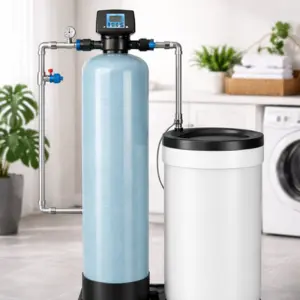
Water Softener for Home – Ultimate Guide to Soft Water
Are you struggling with hard water at home? A water softener for home is the perfect solution to protect your plumbing, appliances, and skin while ensuring a smooth, mineral-free water supply. Hard water contains minerals like calcium and magnesium, which can cause limescale buildup, dull hair, dry skin, and inefficient appliances. Installing a home water softener system improves water quality, extends appliance life, and reduces cleaning effort.
Benefits of a Water Softener for Domestic
Protects Plumbing and Appliances
Hard water leads to limescale buildup in pipes, water heaters, washing machines, and dishwashers. Over time, this reduces efficiency and increases maintenance costs. A home water softener prevents these mineral deposits, extending the life of your plumbing and appliances.
Improves Skin and Hair Health
Minerals in hard water strip natural oils from skin and hair, causing dryness, irritation, and frizz. Soft water keeps your skin moisturized and hair smooth, giving a spa-like experience at home.
Cleaner Dishes and Laundry
Soft water ensures detergents and soaps work effectively. Dishes become spot-free, clothes are brighter and softer, and cleaning requires less effort.
Saves Energy and Reduces Bills
Scale buildup in water heaters forces appliances to work harder, consuming more electricity. Soft water prevents scale, helping you save on energy bills.
Reduces Maintenance and Cleaning
Softened water prevents soap scum and mineral deposits on faucets, sinks, and tiles, reducing the time and cost of cleaning.
Types of Home Water Softeners
Salt-Based Water Softeners
Salt-based softeners use a resin bed to remove hardness minerals through ion exchange. They are highly effective for areas with moderate to very hard water.
Pros:
- Excellent mineral removal
- Suitable for very hard water
- Proven technology
Cons:
- Requires periodic salt refills
- Slightly higher maintenance
Salt-Free Water Softeners
Salt-free systems, also called water conditioners, do not remove hardness minerals but prevent scale formation. They are suitable for areas with mild to moderate hard water.
Pros:
- No salt required
- Low maintenance
- Eco-friendly
Cons:
Less effective in very hard water
How to Choose the Best Home Water Softening System
When selecting a water softener, consider:
- Water Hardness Level: Test your water to choose the right system.
- Capacity and Grain Rating: Determines how much water the system can treat before regeneration.
- Regeneration Type: Automatic regeneration saves time and ensures uninterrupted soft water supply.
- NSF/ANSI Certification: Confirms safety and efficiency standards.
- Bypass Valve: Useful for maintenance without disrupting water supply.
FAQs about RO Plant for Commercial
1: How do I know if my home has hard water?
A1. Signs include white limescale buildup on faucets, dry skin, dull hair, and soap scum.
2: Can a water softener reduce water bills?
Yes, by preventing scale, appliances work more efficiently, saving electricity and reducing maintenance costs.
3: Do I need salt for all water softeners?
No, only salt-based softeners require regular salt refills. Salt-free softeners prevent scale without salt.
4: Is soft water safe for drinking?
Yes, water softened with sodium or potassium ions is safe. You can also use additional filtration for drinking water.
5: How long does a water softener last?
With proper maintenance, a home water softener can last 10–15 years, depending on water hardness and usage.