
Water Softener
Home > Product > Water Softener
Showing all 9 resultsSorted by price: high to low
-
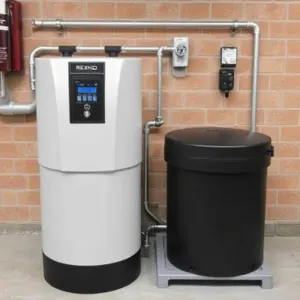
Water Softeners
-
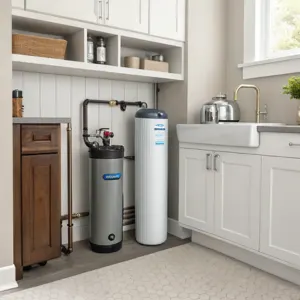
Water Softener for Apartments
-
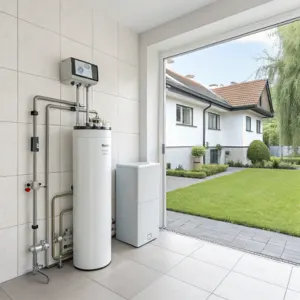
Whole House / Independent House / Villas
-
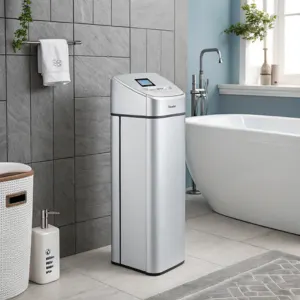
Bathroom Water Softener
-
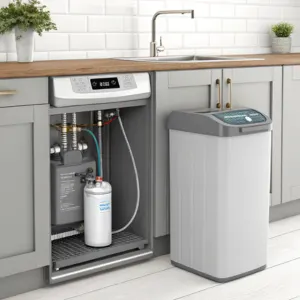
Water Softener for Dishwasher
-
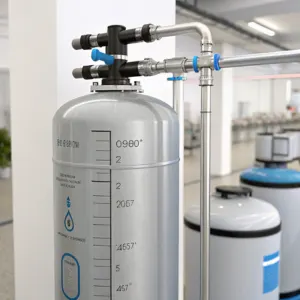
Automatic Water Softener 40
-
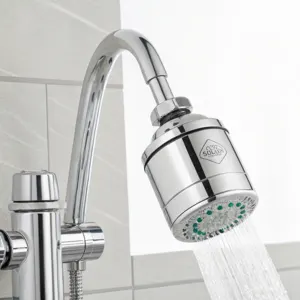
Shower & Tap Filter for Hard Water
-
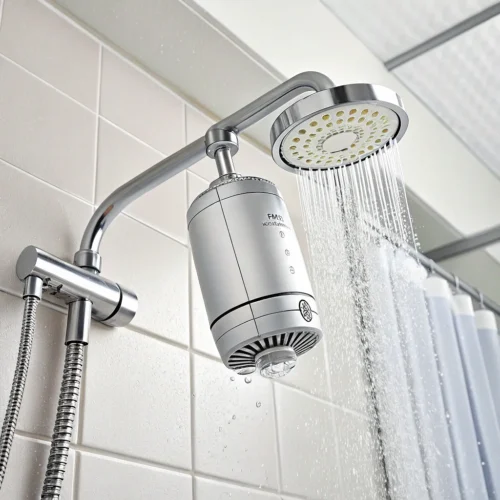
Compact Shower Filter for Hard Water
-
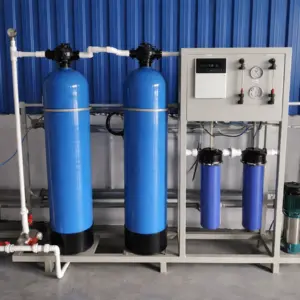
Water Softener for 1000 Litre Water Tank – Soft Water for Every Home
Pure, Soft Water for Every Home and Business
Hard water is a common problem across Tamil Nadu and many parts of India, leading to limescale build-up, dry skin, soap scum, and reduced appliance lifespan. Our advanced water softener systems effectively remove calcium and magnesium ions from your water supply — preventing scale formation, protecting your plumbing, and ensuring cleaner, softer water throughout your home or facility.
Explore our complete range of residential, commercial, and industrial water softeners, designed to suit every capacity and budget. Whether you need a compact unit for a 2–3 BHK home or a large-capacity softener for hotels, laundries, or factories, you’ll find the right model here. Use our filters to compare capacity, resin type, regeneration process, and flow rate for the perfect match.
Why Choose a Water Softener System?
Prevents scale and corrosion in pipes, showerheads, and appliances — extending their lifespan.
Improves soap and detergent efficiency, making laundry brighter and skin smoother.
Reduces repair and maintenance costs for boilers, geysers, and dishwashers.
Improves comfort and water quality, especially in hard-water regions (>300 ppm).
Eco-friendly and cost-effective — saves energy by improving heating efficiency.
How to Choose the Right Water Softener
Water Hardness (ppm or grains)
Choose a model designed for your local hardness level — most Tamil Nadu regions exceed 300 ppm.
Flow Rate (LPM)
Match the flow rate to the number of taps and showers you use simultaneously.
Capacity & Regeneration Type
Larger homes or high-usage setups benefit from twin-tank or metered systems to ensure uninterrupted soft water
Our Range at a Glance
| Category | Typical Use Case | Key Features |
|---|---|---|
| Residential Single-Tank Systems | Flats, 2–4 BHK homes | Compact design, automatic regeneration |
| Residential Twin-Tank Systems | Large homes, 24×7 water usage | Continuous supply, minimal downtime |
| Commercial / Industrial Systems | Hotels, hospitals, laundries, factories | Heavy-duty resin, high flow rate, programmable control |
| Salt-Free / Template-Assisted Systems | Apartments, eco-conscious users | No brine discharge, low maintenance |
FAQs for Water Softener
1: How do I know if I need a water softener?
You may need a water softener if you notice white scaling on taps and tiles, dull laundry, dry skin after bathing, or frequent appliance breakdowns. Hard water typically measures above 200–300 ppm, which causes these issues.
2: How does a water softener work?
A water softener uses ion exchange technology to replace hardness minerals (calcium and magnesium) with sodium or potassium ions. This process prevents limescale buildup and protects your plumbing, appliances, and skin.
3: Is softened water safe to drink?
Yes, softened water is safe for most people. However, since it contains a small amount of sodium, those on a low-sodium diet should use a Reverse Osmosis (RO) unit for drinking water.
4: What is the difference between a water softener and an RO system?
A water softener removes hardness minerals to prevent scaling and protect appliances. An RO system purifies water by removing salts, heavy metals, and contaminants for safe drinking. Both systems can be used together for complete water treatment.
5: How do I choose the right capacity water softener for my home?
The ideal capacity depends on your family size, water hardness level, and daily water usage. A 2–3 BHK home typically needs a 1000 LPH system, while larger homes may require a twin-tank or 2000–3000 LPH unit.
6: How much maintenance does a water softener need?
Maintenance is minimal — just refill salt in the brine tank every 2–3 months and clean or regenerate the resin once or twice a year. Automatic systems handle regeneration automatically.
7: Can a water softener be used with borewell water?
Yes, water softeners work effectively with borewell water, which often has high hardness levels. For very high TDS borewell water, it’s best to combine a softener with an RO filter for drinking purposes.
8: How long does a water softener last?
A high-quality softener lasts 10–15 years with proper maintenance. Regular salt refilling, resin cleaning, and valve servicing ensure long-term performance and consistent soft water output.
9: Does a water softener reduce hair fall and dry skin?
Yes. Hard water leaves mineral deposits on skin and hair, causing dryness and breakage. Soft water improves lathering, helping reduce hair fall, dandruff, and skin irritation.
10: Where should a water softener be installed in the house?
It’s typically installed at the main water inlet, before the overhead tank or after the pressure pump. This setup ensures all water entering your home is softened — protecting every tap, shower, and appliance.