
Mainline Filter
Home > Product > Mainline Filter
Showing all 8 resultsSorted by price: high to low
-
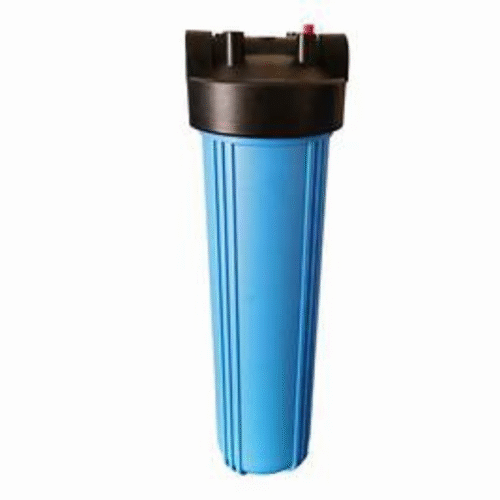
Mainline Filter for Hard Water & Sediments | For 2BHK Homes
-
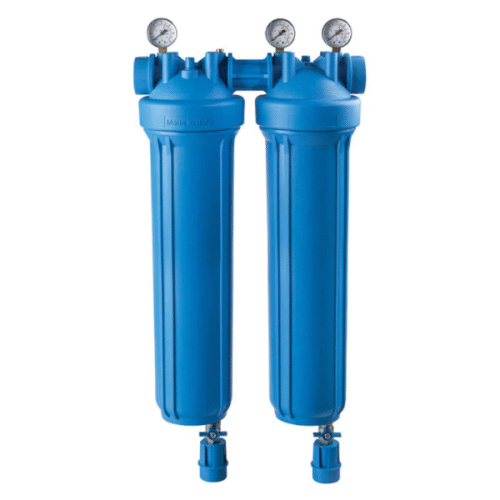
Mainline Filter for Hard Water & Sediments | For 2BHK Home
-
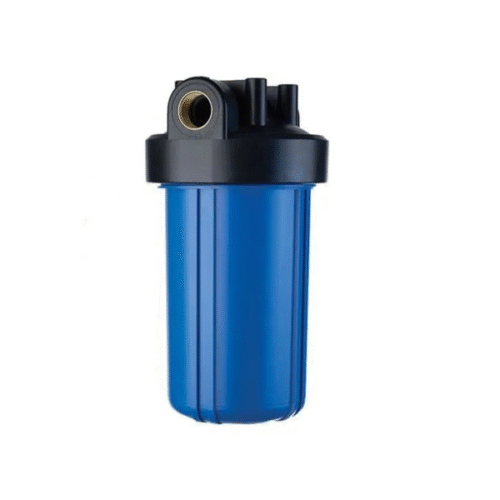
Mainline Filter for Hard Water & Sediments | 1BHK Homes
-
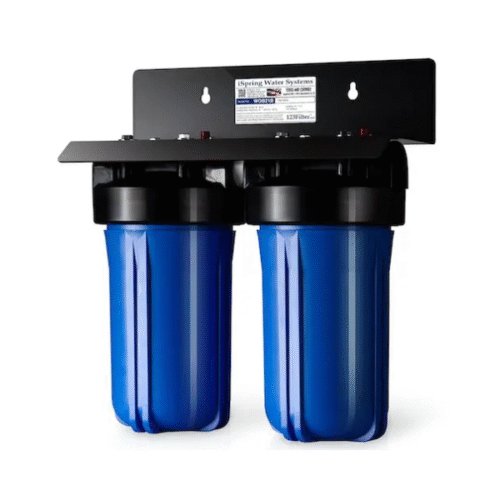
Mainline Filter for Hard Water & Sediments | 1BHK Home
-
MainLine Filter 10 inch 1 Stage
-
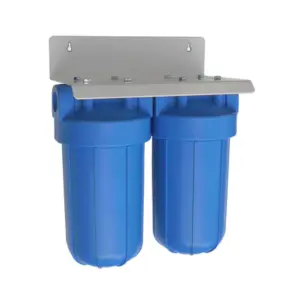
10 Inch 2-Stage MainLine Water Filter for Bathroom & Kitchen
-

MainLine Filter 20 Inch (1 Stage) – Ideal for 2 Bath + Kitchen | Hard Water & Sediment Filter
-
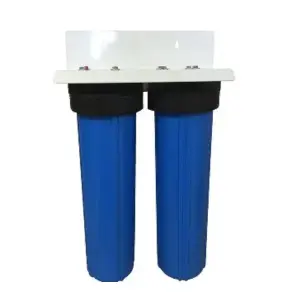
20-Inch 2-Stage Mainline Water Filter for 2 Bath + Kitchen
Mainline Filters – Primary Filtration for Reliable Irrigation Systems
Mainline filters are a fundamental component of drip irrigation systems, sprinkler irrigation networks, and micro-irrigation installations. Installed at the main water inlet, mainline irrigation filters remove suspended solids such as sand, silt, rust, algae, and organic matter before water enters distribution lines.
According to widely adopted irrigation design practices, effective mainline filtration is essential to prevent emitter clogging, ensure uniform water distribution, and maintain long-term system efficiency.
What Is a Mainline Filter?
A mainline filter is a filtration unit installed immediately after the water source—such as a borewell, open well, canal, reservoir, or municipal supply—and before control valves, fertigation units, or lateral pipelines.
Its primary function is to:
-
Protect emitters, drippers, and sprinklers
-
Maintain consistent flow and pressure
-
Reduce system maintenance and downtime
Mainline filters are considered mandatory in drip irrigation system design as per standard agricultural irrigation guidelines.
Importance of Mainline Filters in Irrigation
Unfiltered water is one of the leading causes of clogging and performance failure in irrigation systems. Even small particles can block micro-emitters, resulting in uneven irrigation and crop stress.
Benefits of Mainline Filtration
Prevents clogging of drippers and micro sprinklers
Ensures uniform water application across fields
Improves efficiency of fertigation systems
Extends the lifespan of irrigation components
Reduces operational and maintenance costs
Clean water directly contributes to better crop yield, water savings, and energy efficiency.
Technical Features of Primary Water Line Filters
High filtration accuracy (micron-rated filtration)
Low pressure drop at rated flow
Corrosion-resistant and UV-stabilized materials
Compatibility with drip and sprinkler systems
Easy installation and maintenance access
How to Choose the Right Main Line Water Filters
Selecting the correct mainline irrigation filter depends on:
- Water source quality (groundwater or surface water)
- Level of suspended solids and organic matter
- System flow rate and operating pressure
- Emitter type and micron requirement
- Maintenance capability and cleaning frequency
FAQs about Main Supply Filters
1: Why is a water filter required for drip irrigation systems?
A water filter is required for drip irrigation systems because drip emitters have very small outlets that clog easily, leading to poor water distribution and reduced irrigation efficiency.
2: Which is the best filter for agricultural irrigation?
The best filter for agricultural irrigation depends on water quality—screen filters are suitable for borewell water, disc filters work well for surface water, and media filters are ideal for high organic contamination.
3: Where should a mainline water filter be installed?
A mainline water filter should be installed immediately after the pump or water source and before valves, fertigation units, and irrigation pipelines.
4: Does a drip irrigation filter reduce water pressure?
A properly sized drip irrigation filter does not significantly reduce water pressure and is designed to maintain optimal flow while ensuring effective filtration.
5: What micron filter is required for drip irrigation emitters?
Most drip irrigation emitters require a filter with a micron rating between 120 and 200 microns, depending on the manufacturer’s specifications.
6: Can irrigation filters handle borewell water?
Yes, irrigation filters such as screen filters are commonly used for borewell water and effectively remove sand and fine particles.
7: How often should irrigation mainline filters be cleaned?
Irrigation mainline filters should be cleaned whenever there is a noticeable pressure drop or reduced water flow, with frequency depending on water quality.