

Spun PP Filters
Looking for a cost-effective solution for sediment removal? PP spun filter cartridges offer superior value, using graded polypropylene depth filtration to trap particles from 1–100 microns. Whether you're pre-filtering RO systems, protecting food-grade water, or straining coolant, these FDA-compliant cartridges are built for high dirt load, chemical resistance, and unmatched savings.
What is a Spun Filter? Polypropylene Depth Filtration Explained
Technology Overview
Melt-blown polypropylene fibers are layered from coarse to fine, forming a depth filtration matrix that captures contaminants throughout the entire wall—not just the surface.
Filtration Advantage
Compared to pleated filters, spun filters offer up to 5x higher dirt-holding capacity.
Core Specifications
Micron Ratings: 1μm, 5μm, 10μm, 20μm, 50μm, 100μm
Max Operating Temp: 82°C (180°F)
pH Range: 1–13
Material: 100% polypropylene, free of adhesives or binders
PP Spun Filter Cartridge Applications & Benefits Across Industries
Application
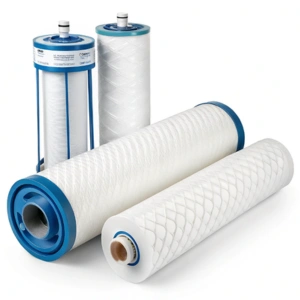
RO Pre-Filtration
Protects membranes from silt/sand—5–20μm ideal
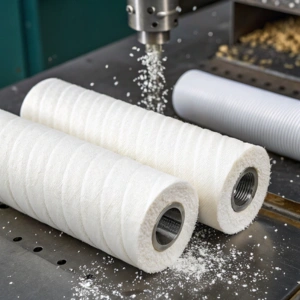
Metalworking Coolants
Removes abrasive particles and machining swarf
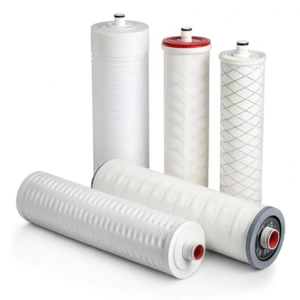
Food & Beverage
Pre-bottling sediment filtration with food-grade certification
Key Benefits
High Dirt Load: Up to 15g per 10” cartridge
Low Pressure Drop: <1.5 PSI at 5 GPM
Strong Chemical Resistance: Acids, alkalis, and solvents tolerated
Compliance: Compatible with most industrial housings (NSF/ANSI standard models)
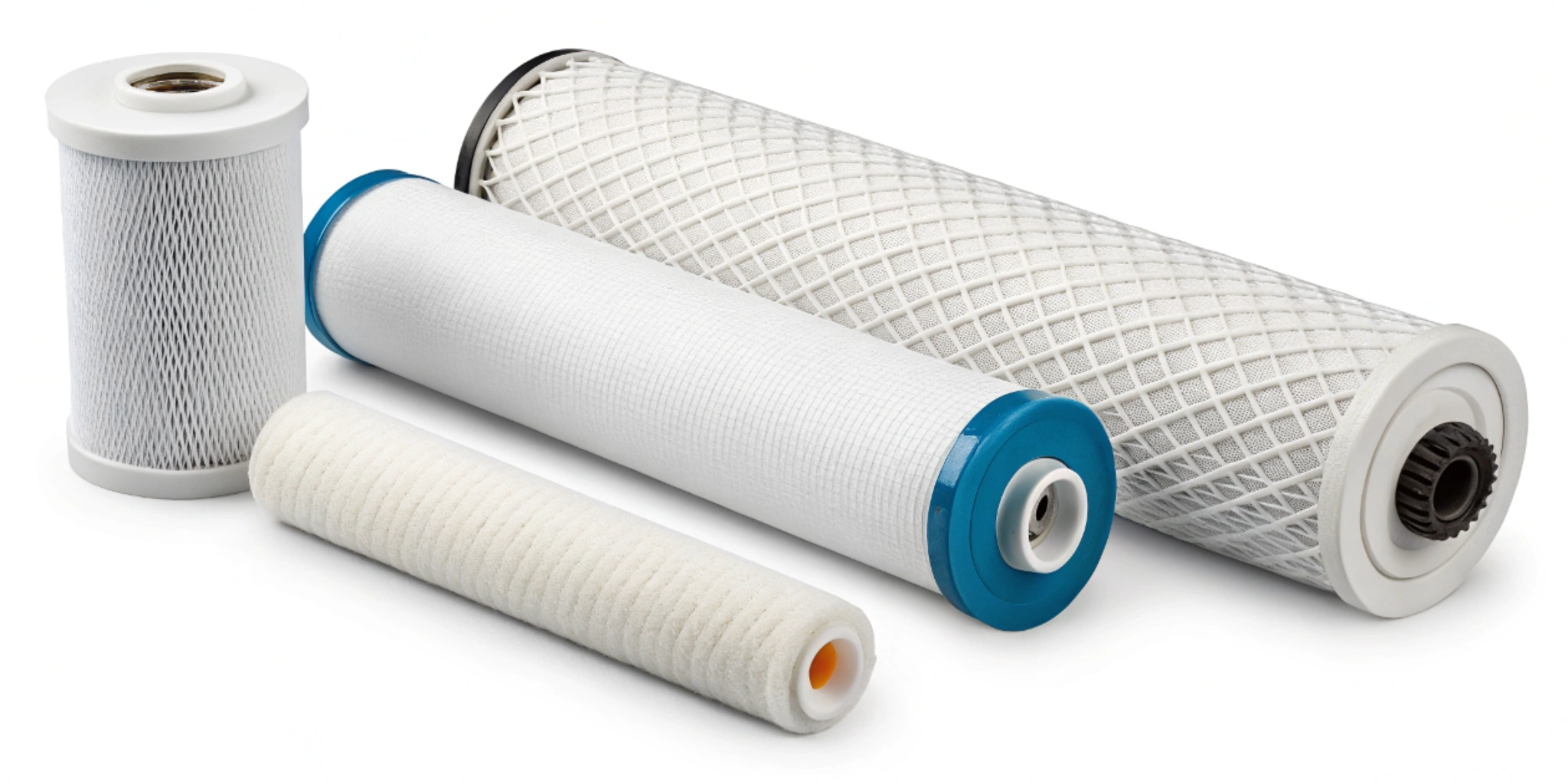
Spun Filters for RO Systems: Maximize Membrane Life & Cut Costs
Role: Capture sand, rust, and turbidity before RO membranes (extends life by 40–60%).
Installation: Stage 2 filtration (after carbon block/sediment filters).
Optimal Microns:Well water: 20μm,Municipal water: 5μm
Cost Savings: $5–$15 cartridge prevents $200+ RO membrane damage.
PP Spun vs. Pleated: Which is Right for You?
| Feature | PP Spun Filter | Pleated Filter |
|---|---|---|
| Dirt Capacity | High (depth loading) | Low (surface loading) |
| Price | $2–$10 | $10–$50 |
| Flow Rate | 2–20 GPM | 5–50 GPM |
| Best For | High-sediment feeds | Clarity-focused filtration |
Choosing the Right Spun Filter Cartridge: A Quick Guide
1
Micron Match: Use 5μm for silt, 20μm for rust, 50μm for large particulates
2
Filter Housing Compatibility: 10", 20", 30"; O.D. 2.5"–4.5"
2
3
End Cap Types: Dual open, single open, double closed
4
Material: 100% polypropylene, no resin binders
4
Installation & Maintenance Best Practices
Changeout Frequency: Every 3–6 months or at ΔP of 8–10 PSI
Sanitization: Replace rather than backwash—fibers are not reusable
Tips: Use filter wrench pads and inspect O-rings at each replacement
Real-World Industrial Use Cases
Agriculture: Prevents nozzle clogging in drip irrigation
Pharma: Pre-filters for ultrapure water systems
HVAC Systems: Removes debris from chiller loops
Automotive Paint Booths: Keeps intake filters free of overspray particulates
Frequently Asked Questions
1. What is a PP spun filter cartridge used for?
A PP spun filter cartridge is primarily used for removing sediment, dirt, rust, and particles from water and other industrial fluids. Common applications include RO pre-filtration, coolant systems, food & beverage processing, HVAC systems, and pharmaceutical water loops.
2. What micron rating should I use for a PP spun filter?
• 5 micron: Ideal for municipal water, capturing fine silt and sand.
• 20 micron: Best for well water or high-turbidity feeds.
• 1 micron or below: For sensitive equipment or ultra-fine filtration needs like pharmaceuticals.
Choosing the correct micron rating depends on your source water and the equipment you're protecting.
3. How often should I change my spun filter cartridge?
Replace every 3 to 6 months, or when the pressure drop (ΔP) exceeds 8–10 PSI. Industrial use cases may require more frequent changeouts depending on sediment load and flow rate.
4. Can PP spun filters be cleaned and reused?
No. PP spun filter cartridges are disposable and should not be backwashed or reused. Attempting to clean them can damage the fiber layers and reduce filtration performance.
5. Are PP spun filters safe for drinking water?
Yes. Most PP spun filter cartridges are made from FDA-compliant polypropylene that is safe for use in potable water systems, including RO drinking water filters.
6. How does a spun filter compare to a pleated filter?
Spun filters use depth filtration, capturing particles throughout the wall thickness, offering higher dirt-holding capacity and lower cost. Pleated filters use surface filtration, allowing higher flow rates but require more frequent replacements in high-sediment applications.
7. What sizes do PP spun cartridges come in?
Standard sizes include:
• Lengths: 10", 20", 30", and 40"
• Outer Diameter (OD): 2.5" (standard) or 4.5" (Big Blue)
• End Cap Styles: Dual open, single open, double closed
8. How much does a spun filter cartridge cost?
Prices range from $1.50 to $8 for 10” filters, and up to $15 for 20” Big Blue cartridges. Bulk discounts are available, with 20–40% savings on orders of 100+ units.
9. Do spun filters remove chlorine or taste/odor?
No. PP spun filters are mechanical sediment filters only. They do not remove chlorine, chemicals, or odors. For that, pair them with a carbon block filter as part of your filtration system.
10. Where can I buy high-quality PP spun filter cartridges?
You can purchase PP spun filter cartridges from industrial filtration suppliers, RO system vendors, or online marketplaces. For best results, choose brands that offer micron certification, chemical resistance specs, and FDA/NSF compliance.