RO vs. Desalination: Which Water Purification Method Is Better?
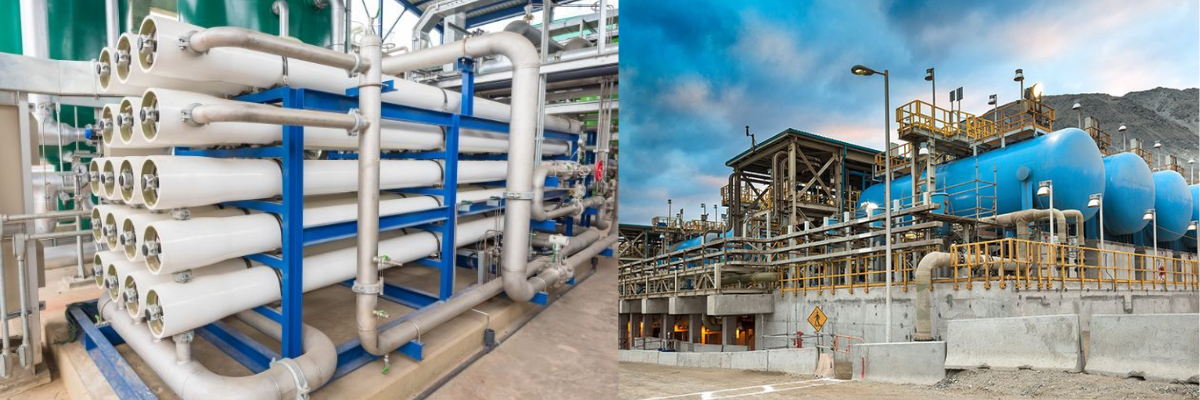
As freshwater resources become increasingly scarce, industries, municipalities, and households are turning to advanced water purification technologies. Two of the most widely adopted solutions are Reverse Osmosis (RO) and Desalination.
While both aim to produce clean, safe, and potable water, they differ in source water handling, process design, and cost-efficiency. This guide offers a side-by-side comparison — helping you decide which method suits your needs based on application, water salinity, energy consumption, and budget.
Understanding the Basics
What Is Reverse Osmosis (RO)?
Reverse Osmosis is a pressure-driven membrane filtration process that removes dissolved salts, heavy metals, pathogens, and organic pollutants from water.
- Drinking water purification,
- Boiler feedwater,
- Industrial wastewater recovery,
- Process water in manufacturing units.
What Is Desalination?
Desalination refers to the process of removing salt and minerals from seawater or brackish water. There are two major types:
- Thermal Desalination (Multi-Stage Flash / Multiple Effect Distillation)
- Membrane-Based Desalination (primarily using RO)
Note: RO can be a component of desalination, but not all desalination systems rely on RO.
Working Principle: RO vs. Desalination
| Parameter | Reverse Osmosis (RO) | Desalination (Thermal / RO) |
|---|---|---|
| Feed Water Source | Borewell, brackish water, wastewater | Seawater or brackish water |
| Technology Type | Membrane filtration | Thermal (evaporation) or membrane |
| Salinity Removal | Up to 99% | (SWRO) |
| Operating Pressure | 10–25 bar | 50–70 bar or high heat |
| Energy Consumption | 2–3 kWh/m³ | 3–6 kWh/m³ (thermal up to 12) |
| Output TDS | <100 ppm | <500 ppm |
| Best Use Cases | Inland, industrial & reuse systems | Coastal, municipal, drought-prone areas |
Advantages of RO Systems
- Lower energy use for brackish water
- Compact, modular, and easy to scale
- Lower installation and operational costs
- Ideal for wastewater recycling and ZLD systems
- Fast ROI for industrial and municipal setups
RO is widely adopted in cities like Delhi, Bengaluru, and Pune where borewell TDS is between 500–5000 ppm.
Advantages of Desalination Systems
- Suitable for high TDS feedwater (e.g., seawater at 35,000+ ppm)
- Unlimited seawater availability
- Suitable for coastal cities like Chennai, Visakhapatnam, and Gujarat ports
- Consistent output quality during droughts
- Can integrate multiple technologies (e.g., hybrid RO-thermal setups)
Limitations of Each Method
| Aspect | RO Systems | Desalination Systems |
|---|---|---|
| Feed Limitation | Not ideal for seawater without SWRO design | Designed for high salinity |
| Brine Disposal | Moderate, needs management | High volume; marine impact |
| Energy Usage | Moderate | Higher (esp. thermal units) |
| Maintenance | Regular membrane CIP | Complex systems & corrosion risks |
| CapEx | Low to medium | High initial investment |
Which Is Better? Use Case Breakdown
| Use Case | Recommended Tech | Reason |
|---|---|---|
| Borewell / Brackish Water | RO System | Cost-efficient, compact, low energy |
| Coastal or Seawater Use | Desalination (SWRO) | Handles high TDS, consistent supply |
| Industrial Reuse / ZLD | RO + UF + EDI | Ensures reuse + discharge compliance |
| Large Municipal Supply | Desalination / Hybrid | Handles large volumes, long-term |
| Chemical or Power Plant | RO + ZLD | Reduces water footprint, ensures compliance |
Hybrid Systems – Combining RO & Desalination
Hybrid systems combine RO + Thermal methods or RO + Electrodeionization (EDI) to balance efficiency and output quality.
Example: Chennai’s Nemmeli Desalination Plant uses SWRO technology with energy recovery devices to serve 1 million people daily.
Benefits:
- Recovery
- Less brine waste
- Long-term cost reduction
- Higher water recovery rates (>90%)
Cost Comparison
| Parameter | Brackish RO | Seawater Desalination |
|---|---|---|
| CapEx (₹/m³/day) | ₹25,000–₹40,000 | ₹60,000–₹100,000 |
| OpEx (₹/m³) | ₹3–₹8 | ₹8–₹15 |
| Power Use | 2–3 kWh/m³ | 4–6 kWh/m³ |
| Recovery Rate | 70–85% | 35–45% |
| Maintenance | Low | Moderate to high |
Summary:
- RO is better suited for inland and industrial applications.
- Desalination is preferred for coastal and municipal supply systems.
Sustainability & Environmental Impact
RO Systems
- Lower energy (especially with solar RO)
- Minimal emissions if powered by renewables
- Sustainable for small-scale & industrial setups
Desalination Systems
- Larger carbon footprint
- Brine disposal may affect marine life
- Sustainable if hybridized with solar or wind power
Frequently Asked Questions (FAQs)
Q1. Is RO the Same as Desalination?
No. RO is a membrane process used within desalination. Desalination also includes thermal methods.
Q2. Can RO Treat Seawater?
Yes, with SWRO membranes designed for high pressure and salinity.
Q3. Which Is More Energy-efficient?
RO, especially for brackish water sources. Desalination (thermal) uses more energy.
Q4. What Is the Lifespan of RO Membranes?
3–5 years, depending on feed water and cleaning schedule.
Q5. Can RO Be Used for Recycling Wastewater?
Absolutely. RO is a key part of Zero Liquid Discharge (ZLD) systems in industries.
From reading to doing
Explore RO Water Plants
Purified water for homes, buildings and industry. Ask us about your site — we reply on working days.
Keep reading
Related guides

Top Benefits of Installing an RO Water Plant for Your Business & Why RO Treated Water Is Reliable for Industries
Water quality plays a vital role in every business — from manufacturing and food processing to healthcare, hospitality, and commercial operations.
Read guide
RO Water Plant – a Complete Guide to Reverse Osmosis, Working Process, and Selection Tips
Clean and safe drinking water is essential for every home, office, school, and industrial facility.
Read guide
RO vs. Traditional Filtration Systems – Which Water Purifier Is Right for You?
Clean and safe drinking water is no longer a luxury — it’s a necessity.
Read guide