1: What is the capacity of a 250 LPH Commercial RO Plant?
The plant produces approximately 250 litres per hour, which translates to 2,000–2,500 litres per day, making it perfect for offices, hostels, hospitals, and small industries.
2: What kind of RO membrane is used in a 250 LPH plant?
Most 250 LPH RO plants use a standard 4040 RO membrane, known for its high efficiency in removing TDS, chlorine, sediments, and harmful impurities.
3: Can it handle high TDS water?
Yes, the plant can handle TDS levels up to 1000 ppm. For higher TDS, additional pre-treatment like anti-scaling dosing is recommended.
4: How often should the RO membrane be replaced?
Typically, the RO membrane lasts 2–3 years with proper pre-treatment and maintenance. Regular cleaning increases its lifespan.
5: What maintenance is required for a 250 LPH RO plant?
Regular maintenance includes replacing sand, carbon, and cartridge filters, cleaning the RO membrane, checking pumps and pressure gauges, and monitoring water quality.
6: Is installation included with the purchase?
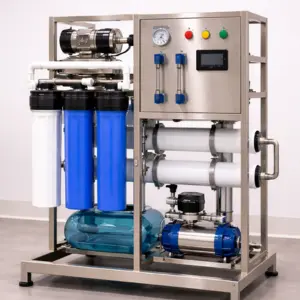
Many suppliers provide pre-assembled skid-mounted systems for quick installation. Local installation support is often available.
7: What are the applications of a 250 LPH Commercial RO Plant?
It is ideal for offices, hostels, schools, hospitals, restaurants, food processing units, and small industries.
8: How much space is required to install this RO plant?
The compact design and skid-mounted structure require minimal space, making it suitable for office or plant-room installations.
Recent Comments