Is RO Sustainable? Environmental Impact and Alternatives
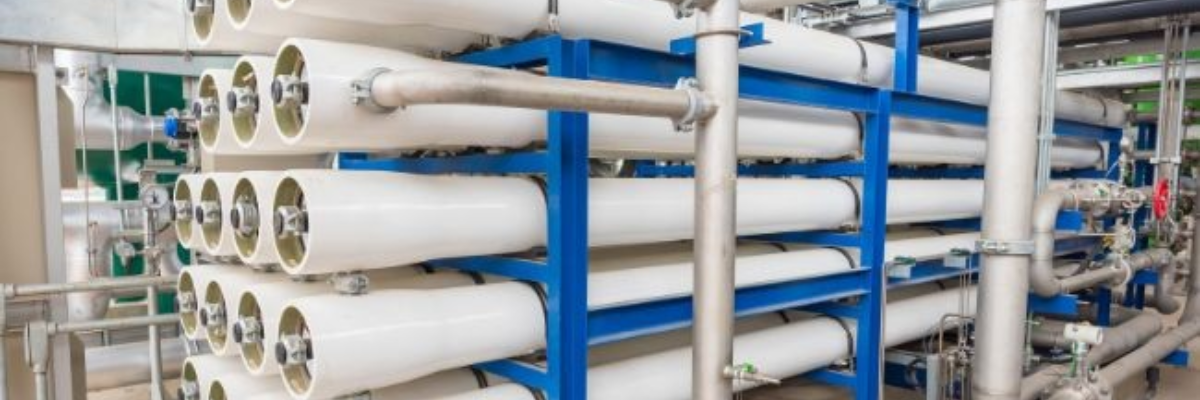
From households to heavy industries, Reverse Osmosis (RO) systems have revolutionized how we treat hard or saline water — but is this innovation sustainable in the long run?
RO effectively removes dissolved salts, heavy metals, and contaminants, delivering clean and safe water. However, rising environmental concerns bring a critical question to light:
Is RO water purification truly eco-friendly?
While RO excels in water quality, it consumes substantial energy, wastes significant amounts of water, and generates brine that can harm the environment. Let’s explore RO’s environmental footprint, sustainability challenges, and greener alternatives for a more conscious future.
Understanding Reverse Osmosis (RO)
Reverse Osmosis works by applying high pressure to force water through a semi-permeable membrane. This membrane separates clean water (permeate) from contaminants, salts, and minerals (reject or brine).
Typical RO Process Flow:
- Feed water (borewell, municipal, or seawater)
- Pre-treatment (filters, carbon, chemical dosing)
- RO membrane filtration
- Permeate (purified water)
- Reject stream (brine)
While RO removes 95–99% of dissolved solids, the process is both energy- and water-intensive — making sustainability a growing concern.
Environmental Impact of RO Systems
A) High Water Rejection
Traditional RO systems reject 2–3 liters of water for every 1 liter of purified water. In high-capacity installations, this leads to massive daily water losses.
Environmental Impact:
- Intensifies water stress in cities and drought-prone regions.
- Increases soil salinity when reject water is discharged directly.
- Strains municipal drainage systems if reject is not reused.
B) High Energy Consumption
High-pressure pumps (10–70 bar) power RO systems, depending on water salinity.
Typical energy use: 2–6 kWh per m³.
Resulting Impact:
- Raises operational costs and CO₂ emissions, especially with fossil-fuel-based electricity.
- Not ideal for off-grid or rural installations unless paired with renewables.
C) Brine Disposal Challenges
The RO reject stream contains concentrated salts and cleaning chemicals. Improper discharge into soil or oceans can:
- Raise ground salinity, harming agriculture.
- Disrupt marine ecosystems due to density shifts and oxygen loss.
Real-World Insight: In coastal India, unregulated brine discharge has worsened local groundwater conditions near desalination facilities.
D) Chemical Use and Disposal
RO plants require:
- Antiscalants to prevent scaling
- SMBS for chlorine removal
- Acid/alkaline cleaners during CIP
Improper disposal leads to chemical leaching into water tables or farmland — an often overlooked hazard.
Is RO Sustainable?
Short answer: Not by default — but it can be.
RO systems become more sustainable when equipped with:
- Energy Recovery Devices (ERDs)
- Solar-powered pumps
- Reject water reuse systems
- Zero Liquid Discharge (ZLD)
- Smart automation to reduce waste and downtime
Smart Design = Smart Sustainability
Even small upgrades — like membrane selection, proper CIP scheduling, or reuse of reject water — can significantly reduce the system’s environmental footprint.
Making RO Systems More Eco-Friendly
Reuse RO Reject Water
Instead of draining it, use reject water for:
- Gardening and landscaping
- Toilet flushing
- Car washing
- Cooling tower makeup
Tip: Always test TDS before reusing — ensure it's safe for non-potable purposes.
Use Energy Recovery Devices (ERDs)
Industrial RO systems can recover of lost hydraulic energy via:
- Pressure exchangers
- Turbochargers
This can cut energy costs and emissions by 40% in large-scale setups.
Switch to Solar or Hybrid Power
Solar RO plants in Rajasthan, Tamil Nadu, and Gujarat show that clean water and clean energy can coexist — even in remote or off-grid locations.
Adopt Automation for Smarter Operation
Automation systems (PLC/SCADA) help:
- Optimize feed pressure
- Reduce chemical overuse
- Schedule cleaning at the right time
- Prevent energy and water losses
Combine with Zero Liquid Discharge (ZLD)
ZLD systems evaporate reject water and recover minerals, ensuring zero discharge. They're ideal for:
- Pharma
- Textiles
- F&B
- Power plants
Though capital-intensive, ZLD pays off in long-term sustainability and compliance.
Green Alternatives and Complementary Technologies
| Technology | Function | Eco Benefit | Ideal Use |
|---|---|---|---|
| Ultrafiltration (UF) | Removes bacteria/suspended solids | No reject water | Pre-treatment or municipal use |
| Nanofiltration (NF) | Removes large ions, hardness | Retains essential minerals | Hard water treatment |
| Electrodeionization (EDI) | Uses electricity for ion removal | Chemical-free operation | Ultrapure water applications |
| Bio-Sand / Carbon Filters | Physical filtration of sediments/odors | Zero electricity | Rural/domestic systems |
| Rainwater + RO | Pre-softened water reduces reject rate | Lower energy and reject load | Homes and commercial setups |
Future Outlook for Sustainable RO
Emerging technologies are helping reshape RO’s future:
- Graphene membranes for low-pressure filtration
- AI-based membrane health tracking
- Hybrid solar-RO systems for off-grid areas
- Brine mining to recover salts and minerals from waste
Frequently Asked Questions (FAQs)
Q1. Why Is RO Considered Environmentally Unsustainable?
Because it wastes 50–70% of water and consumes significant electricity.
Q2. Can RO Be Eco-friendly?
Yes, with solar power, energy recovery, and reject reuse, RO becomes more sustainable.
Q3. Are There Better Alternatives to RO?
Yes — depending on your water source, UF, NF, or EDI may be greener and sufficient.
Q4. Can Industries Achieve Zero Wastewater Discharge?
Yes. With ZLD systems, even reject water can be treated and reused.
Q5. How Does Solar RO Reduce Environmental Impact?
It cuts carbon emissions and running costs — ideal for rural and coastal areas.
From reading to doing
Explore RO Water Plants
Purified water for homes, buildings and industry. Ask us about your site — we reply on working days.
Keep reading
Related guides

Top Benefits of Installing an RO Water Plant for Your Business & Why RO Treated Water Is Reliable for Industries
Water quality plays a vital role in every business — from manufacturing and food processing to healthcare, hospitality, and commercial operations.
Read guide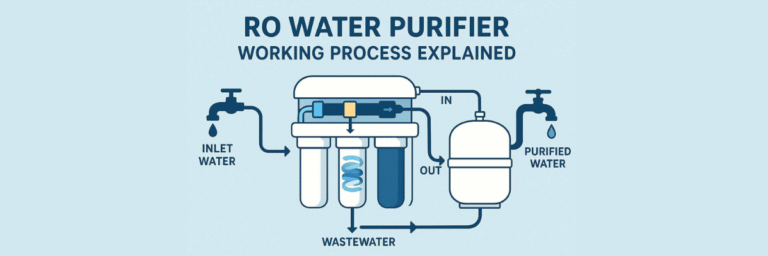
RO Water Plant – a Complete Guide to Reverse Osmosis, Working Process, and Selection Tips
Clean and safe drinking water is essential for every home, office, school, and industrial facility.
Read guide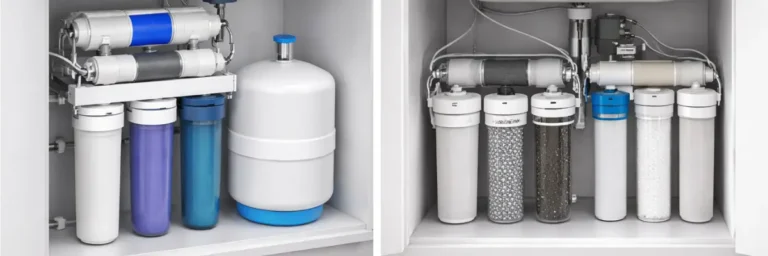
RO vs. Traditional Filtration Systems – Which Water Purifier Is Right for You?
Clean and safe drinking water is no longer a luxury — it’s a necessity.
Read guide