

UV Filter Housings
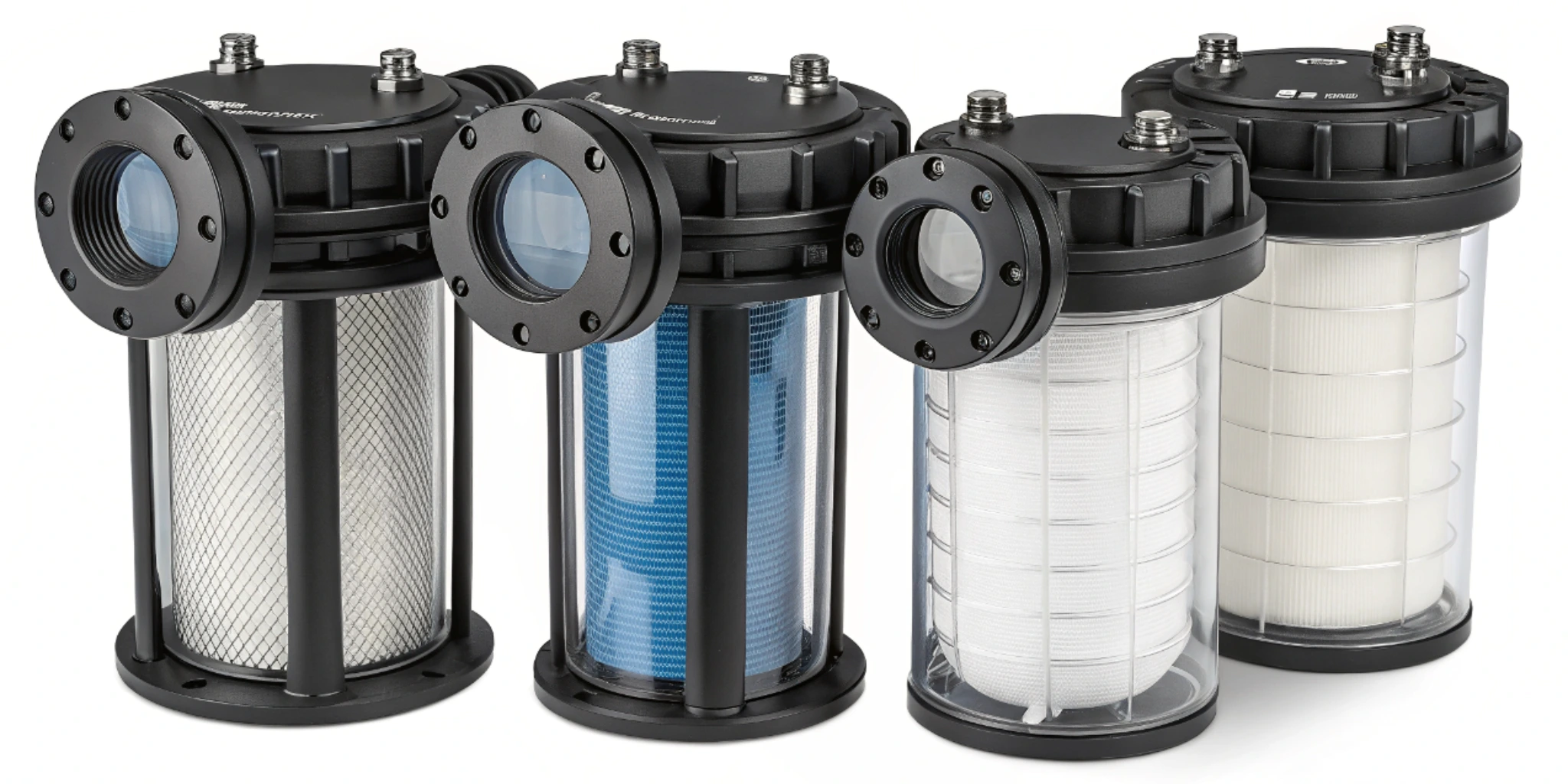
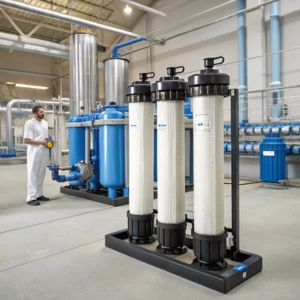
A UV filter housing is a specialized enclosure designed to protect and support the UV lamp and quartz sleeve used in ultraviolet water purification systems. These housings are engineered to shield the lamp from environmental damage, maintain a sanitary environment, and ensure optimal exposure of water to UV light for effective disinfection.
Key Features
✔
High-Grade Stainless Steel: Most housings are made from polished SS304 or SS316 for durability, corrosion resistance, and reflective efficiency.
Sealed, Pressure-Rated Chambers: Keeps UV components dry while allowing water to flow through efficiently.
✔
✔
Lamp and Sleeve Support: Secures quartz sleeves and UV lamps to prevent breakage or misalignment.
End Caps and Gaskets: Create watertight seals and enable safe, tool-free maintenance.
✔
✔
Multiple Sizes: Available in flow capacities ranging from 1 GPM (residential) to 100+ GPM (commercial/industrial).
Why Use a UV Filter Housing?
Maximize UV Exposure: Internal reflectivity increases UV lamp efficiency.
Protect Vital Components: Shields fragile lamps and sleeves from impact and contamination.
Maintain Sanitation: Prevents microbial growth and supports clean-in-place protocols.
Adaptable System Design: Compatible with residential, commercial, and municipal systems.
Applications
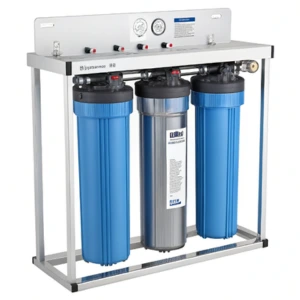
Residential Water Disinfection
Whole-house UV treatment for well or city water.
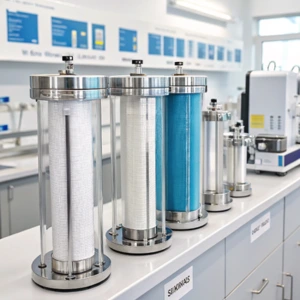
Laboratory and Pharmaceutical
Sterile water supply systems.
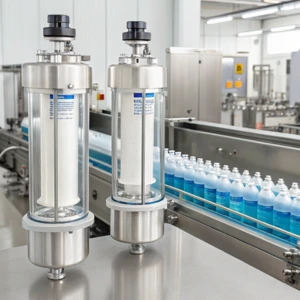
Food & Beverage Processing
Protects product quality in bottling and ingredient water.
Industrial and Municipal
Large-scale systems for drinking water, wastewater reuse, or cooling towers.
Choosing the Right UV Filter Housing
| Factor | Recommendation |
|---|---|
| Material | Use SS316 for corrosive or food-grade applications; SS304 for standard systems |
| Flow Rate | Match housing size to system GPM and UV lamp specs |
| Port Size | Choose inlet/outlet sizes that fit your plumbing (¾”, 1”, 1.5”) |
| Certifications | NSF/ANSI 55, CE, or UL listings for regulated environments |
| Maintenance Access | Look for tool-free designs or swing caps for fast lamp changes |
Maintenance Tips
Clean quartz sleeves every 6–12 months to remove mineral buildup.
Replace UV lamps annually, even if they still light up—they lose germicidal strength over time.
Check seals and O-rings regularly for wear or degradation.
Flush the system after maintenance to remove air pockets and ensure full lamp exposure.
Frequently Asked Questions
1. What is a UV filter housing used for?
A UV filter housing is used to enclose and protect the UV lamp and quartz sleeve in a water disinfection system. It ensures that water flows around the UV lamp properly while keeping electrical components dry and secure.
2. Are UV housings made from stainless steel or plastic?
Most UV filter housings are made from stainless steel (SS304 or SS316) for durability, hygiene, and optimal UV reflection. Plastic models exist but are typically used in low-flow, residential setups.
3. Can I replace the UV lamp without removing the housing?
Yes, many UV housings are designed with tool-free end caps or service ports that allow for easy lamp and quartz sleeve replacement without disconnecting plumbing.
4. How often should I clean the quartz sleeve in my UV housing?
Quartz sleeves should be cleaned every 6 to 12 months, or more frequently if you have hard water. Mineral deposits on the sleeve can reduce UV effectiveness.
5. Do UV filter housings come in different sizes?
Yes, UV housings vary in size based on the system’s flow rate—from 1 GPM units for under-sink systems to 100+ GPM for commercial or municipal setups.
6. What’s the difference between SS304 and SS316 UV housings?
SS304 is standard-grade stainless steel for most installations. SS316 offers superior corrosion resistance and is recommended for saltwater, aggressive chemicals, or food-grade use.
7. Do UV housings require pressure rating certification?
Yes, UV housings should be pressure-rated and compliant with standards like NSF/ANSI 55 or CE/UL listings, especially in commercial or regulated environments.
8. How long does a UV lamp last inside the housing?
UV lamps should be replaced every 9,000 to 12,000 hours (approximately once a year), as their germicidal intensity weakens over time, even if the lamp is still glowing.
9. Can I install a UV filter housing horizontally?
Most UV housings are designed for vertical installation to ensure even exposure and avoid air bubble interference. Always follow the manufacturer’s guidelines.
10. Are UV housings compatible with any brand of lamp or ballast?
Not always. Some UV housings are proprietary. Always check lamp size, wattage, and pin configuration to ensure compatibility with your housing and ballast.