

Reverse Osmosis (RO) Filter Housings
An RO filter housing is a pressure-rated container designed to hold RO filter cartridges—such as sediment filters, carbon blocks, or reverse osmosis membranes—securely within a reverse osmosis water filtration system. These housings are responsible for maintaining water pressure, preventing leaks, and ensuring the filter operates efficiently.
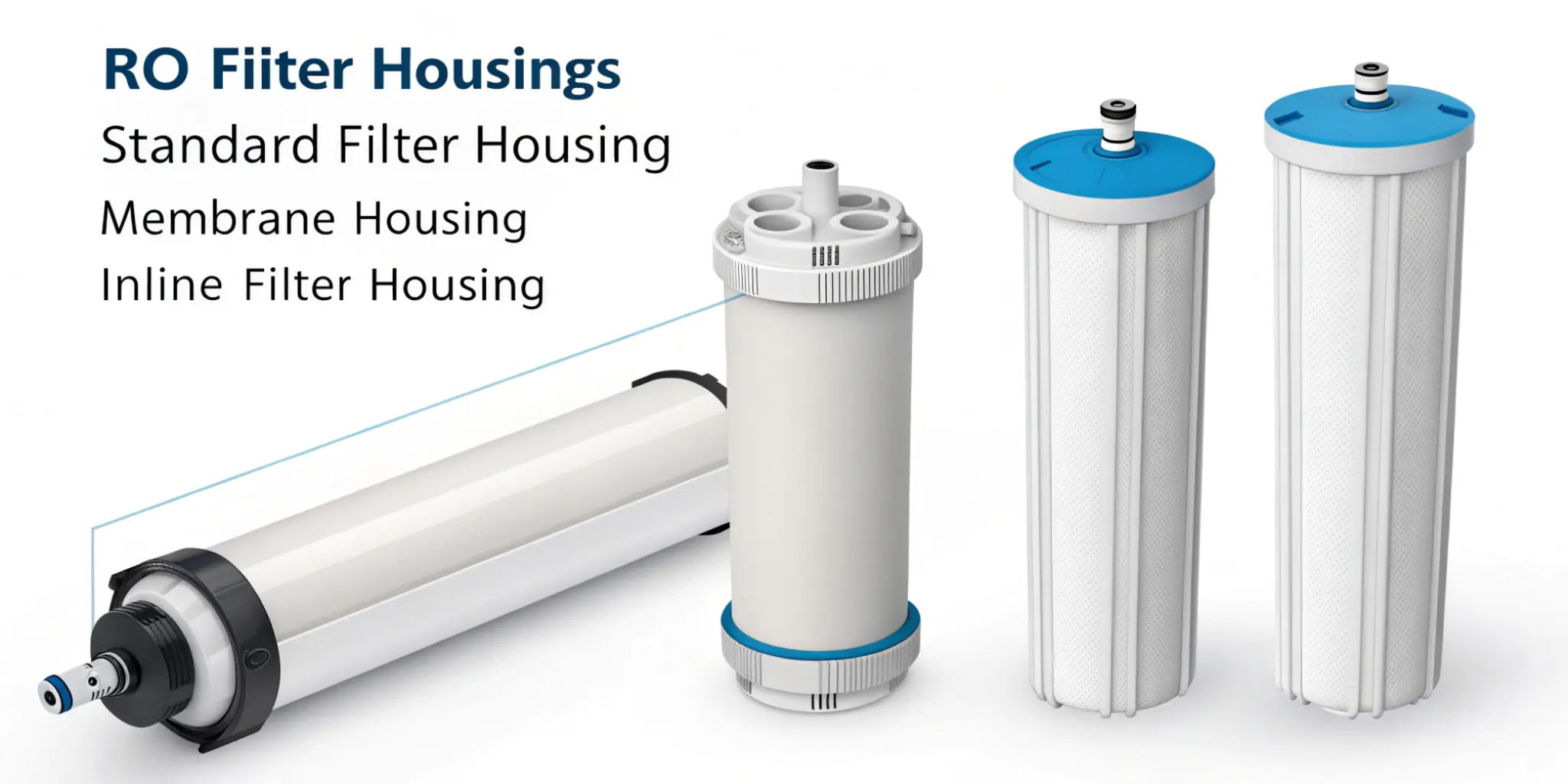
Types of RO Filter Housings
Standard Filter Housings
Used for sediment and carbon block filters (usually 10″ x 2.5″). They come in white or clear options.
Membrane Housings
Specially designed to hold RO membranes (e.g., 1812 or 2012 sizes). These have specific inlet/outlet ports to control flow across the membrane.
Inline Filter Housings
Used for post-carbon polishing or remineralization stages. These are slim and mount directly to tubing.
Key Components and Features
✔
Heavy-Duty Construction: Made from BPA-free polypropylene or reinforced plastic for strength and safety.
O-Ring Seals: Create watertight seals to prevent leaks, with easy access for filter changes.
✔
✔
Pressure Rating: Most units are rated for up to 125 PSI and 100°F. Always verify for your applicatio
Clear Housings: Ideal for visual filter checks; useful in sediment-heavy water sources.
✔
✔
Bracket & Wrench Compatible: Many models include mounting brackets and filter wrenches for secure and easy installation.
Benefits of Using High-Quality RO Filter Housings

Leak-Proof Design
Protect your home or equipment from water damage.

Improved Water Taste & Purity
Maintains optimal filter performance.

Cost-Effective Maintenance
Only cartridges need replacing, not the entire system.

Modular Flexibility
Easily add stages to your existing system.
Applications
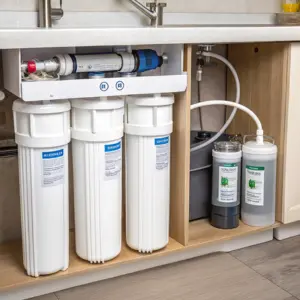
Residential RO Systems
Under-sink or whole-house RO setups.
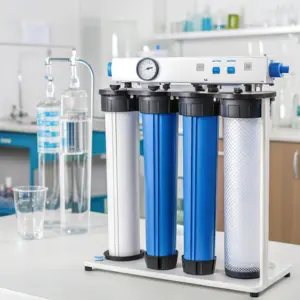
Laboratory Water Purification
High-purity water production.
Aquariums & Hydroponics
Keeps pH and water chemistry stable.
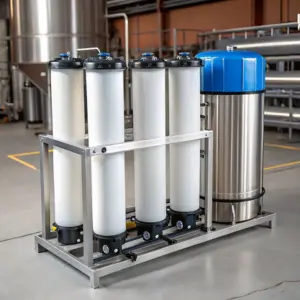
Commercial RO Systems
Suitable for restaurants, breweries, and water bottling.
How to Choose the Right RO Filter Housing
| Feature | Consideration |
|---|---|
| Size | Standard (10” x 2.5”) vs. Big Blue (10” x 4.5”) |
| Material | Clear (visual inspection) vs. opaque (blocks algae) |
| Connection Type | NPT thread size (¼”, ⅜”, ½”, ¾”) |
| Filter Type | Cartridge, membrane, inline |
| Pressure Rating | Match your source water pressure |
Maintenance Tips
Replace O-rings every 6–12 months or when signs of wear appear.
Use silicone lubricant for O-rings to prevent drying and cracking.
Flush new filters for 5–10 minutes before use.
Sanitize housings annually with a food-safe disinfectant.
How to Choose the Right RO Filter Housing
| Issue | Possible Cause | Solution |
|---|---|---|
| Leaking housing | Worn or misaligned O-ring | Replace O-ring, tighten housing |
| Poor flow rate | Clogged filter | Replace pre-filters |
| Cracked housing | Over-tightening or freezing | Replace housing and insulate |
| Noisy operation | Air trapped in system | Bleed air by running water flow |
Frequently Asked Questions
1. What is a reverse osmosis filter housing?
A reverse osmosis filter housing is a protective container that holds various RO filter cartridges, including sediment, carbon, and membrane filters. It ensures secure sealing and maintains pressure for efficient water purification.
2. Are all RO filter housings the same size?
No, RO housings come in various sizes, with the most common being 10″ x 2.5″. There are also larger “Big Blue” housings (10″ x 4.5″) and membrane-specific housings for 1812 or 2012 membranes. Always check compatibility with your filter cartridge.
3. Can I use a clear RO filter housing for all filters?
Clear housings are ideal for sediment filters where visual inspection helps monitor clogging. However, they are not recommended for carbon filters or in direct sunlight, as they can promote algae growth.
4. How often should I replace the O-rings in my RO housing?
O-rings should be checked every 6 months and replaced annually or when wear, cracking, or leaks occur. Using food-grade silicone lubricant can extend their life.
5. How do I know if my RO filter housing is leaking?
Signs of a leaking housing include water pooling around the system, reduced water pressure, or visible cracks. Check that the O-ring is seated properly and that the housing is not overtightened.
6. Can I upgrade my existing RO system with different filter housings?
Yes, most RO systems are modular, allowing for replacement or upgrading of housings. Ensure the replacement housing matches your system’s tubing size, pressure rating, and filter dimensions.
7. What is the difference between an RO membrane housing and a pre-filter housing?
A membrane housing is designed for the RO membrane cartridge and has dedicated inlet/outlet ports for pressurized water flow. A pre-filter housing holds sediment or carbon filters and usually has standard threaded ports.
8. Are RO filter housings pressure rated?
Yes, most residential RO housings are rated up to 125 PSI and 100°F. Always verify pressure ratings, especially for high-pressure or commercial applications.
9. How do I clean an RO filter housing?
To clean an RO housing, shut off the water supply, unscrew the housing with a filter wrench, remove the old filter, rinse with mild soap or diluted bleach, and rinse thoroughly before inserting a new filter.
10. Where can I buy replacement RO filter housings?
You can purchase high-quality RO filter housings online or from water filtration suppliers. Look for NSF-certified products to ensure safety and compatibility with your system.